Conservation of Resilient Biodiversity
through Propagation, Dissemination and Education
Support our conservation work, nursery renovations,
research, writing, and other endeavors via:
https://ssbp.betterworld.org
or
make a fully Tax-Deductible Donation via Panax
Sacred Succulents is a small family-run organization founded in 1997,
dedicated to the preservation of ethnobotanical knowledge
and rare & endangered beneficial plants.
As a mail-order nursery, public-access seed bank and private research garden,
we are involved with the conservation of an exceptional diversity of plants
at our biosanctuary in northern California.
We are taking a hiatus from shipping plants & seeds—new orders will ship Spring, 2026. This hiatus is required to give us time to focus on the infrastructure projects that are now critical to preserving the high diversity of rare & endangered plants in our nursery, conservancy-research gardens and seed bank, to ultimately make available the many hundreds of species we’ve never released publicly, and to return to offering our fuller catalog of beneficial plants & seeds.
Despite considerable effort and periodic plant auction-fundraisers, we have not had adequate time or means to make sufficient progress with the crucial tasks of installing irrigation and completing renovations throughout the nursery & garden. As largely a one man show, the daily responsibilities of caring for thousands of plants in an increasingly erratic climate, while doing my best to keep up with the website, emails, packing orders, etc., leaves little space for tackling such extensive additional projects—especially with the challenges of my persistent, post-COVID cognitive impairment [see *note 1 below] and a stream of other crises we’ve navigated in recent years. Our lack of time for these vital, large projects, particularly the irrigation, has seriously curtailed our propagation work…while we continue to lose a worrying number of irreplaceable plants each season [see **note 2]. Mitigating against extremes is no easy task with the broad diversity we cultivate. It’s now urgent that we focus our full efforts on such projects as are key to stabilizing, salvaging, and propagating the myriad rare & endangered plants here.
We Need Your Support
to accomplish these projects critical to our conservation work
and Sacred Succulents future:
Contribute to our vital endeavors!
⇓
Donate and Become a Sacred Succulents Patron
⇓ ⇓
Help Fund Crucial Renovation Projects:
We seek your support funding extensive renovations to the aging infrastructure of our nursery & garden—endeavors integral to preserving the high diversity of rare & endangered plants here in the face of ongoing losses from increasingly erratic climatic shifts [see **note 2].
Phase 1 – Irrigation:
-
For decades, we’ve hand-watered the nursery & garden, but this is no longer viable.
-
It is now vital we install comprehensive irrigation systems to help mitigate weather extremes and curtail further plant losses.
-
For the nursery, this means installing a variety of flood-trays and irrigation lines with micro-emitters.
[After ongoing trials, we’ve concluded that flood-trays offer the most reliable, low maintenance way to thoroughly water a large number of potted plants at once. While a greater initial investment, the trays require significantly less maintenance over time, offer fail-safe irrigation, will greatly reduce our overall water use, and will grow healthier plants. It is feasible to install flood-trays on about 80% of our nursery benches.]
-
For the conservancy-research garden, extensive irrigation lines need to be laid and a spectrum of drip, micro-emitters, and larger sprinkler systems installed.
-
We estimate approximately $30-40K for the materials and labor to install the optimum irrigation systems throughout the entire nursery and conservancy-research garden.
Your contribution is essential for us to accomplish this massive undertaking!
[Phase 2 of Renovations—TBA in 2026]
Donations can also be mailed as cash, check or money order to:
Sacred Succulents, PO Box 781, Sebastopol, CA 95473 USA
♥
Sacred Succulents now has fiscal-sponsorship
via the 501c3 non-profit organization, Panax!
For larger, tax-deductible donations, click here!
You can make fully tax-deductible donations through Panax by credit card or as a direct transfer from a US bank account. Contributions of $1K+ can also select to donate by check.
(*Note*: When making your donation, after you enter your personal data, the Zeffy platform asks for a 17% contribution — this is optional. To opt-out, click on the drop-down menu [under where it says “Help keep Zeffy free for Panax”], select “Other” and enter “0” in the contribution box below.)
For smaller donations, or for those that do not require the tax-deduction status, donations should still be made via our BetterWorld campaign [where 7-11% more of the donation goes directly to us].
♥
Please help spread the word about the fundraiser!
We are not on social media and rely on the grass-root efforts of our fellow phytophiles like you.
♥
Handpicked plants & seeds, art, special access & catalog discounts, and nursery & garden tours
are available as thank you gifts for becoming a patron and your donations to renovations.
♥
With you’re help, we’re confident we can stabilize and revitalize our nursery & garden
to continue our mission of conservation via cultivation and offerings of unparalleled diversity.
♣
“It’s often passionate individuals that are responsible for stewardship of biodiversity and Ben has dedicated his life’s work to sacred succulent diversity. Contribute your support to keep this treasured living collection alive.”
— Susan Leopold, Ph.D., Director of United Plant Savers, Founder of Panax
_
“If ever there was a project that deserved support, this is it! Your contributions to Sacred Succulents can make a crucial difference: this family-run biosanctuary has been actively conserving rare ethnobotanical species for decades—maintaining wild genetic diversity, building robust seed and plant collections, and collaborating with researchers and botanical gardens since 1997. By contributing to this fundraiser, you’ll be helping safeguard plants that are under threat from habitat loss and climate change, while also promoting propagation, scientific study, and preservation of traditional knowledge. Not to mention, helping out an amazing family, who have devoted nearly all of their time and energy to making the world a better place, one rare plant at a time. Let’s unite the botanical community around this cause so these extraordinary species (including the rare Mr. Ben Kamm) continue to thrive in both the wild and in cultivation.”
— Matt Magee, Anthropologist, Author of Peruvian Shamanism: The Pachakuti Mesa
__
Sacred Succulents itself is not currently a 501(c)(3), but we now have fiscal-sponsorship by the non-profit organization, Panax!
For nearly three decades, we’ve had a D.I.Y. approach and have hitherto completely self-funded all of our research and conservation efforts—from our greenhouses and conservancy gardens to our endangered plant propagation and seed germination studies, from our ethnobotanical field expeditions to our scholarly investigations, our extensive reference library (a collection of floras, books on [ethno]botany, agroecology, anthropology, Andean history, etc.), to our writing, publications, and more. Until now, we’ve managed all this on a shoe-string budget, self-funded over the years via mail-order sales of plant & seeds, with nearly all “profits” funneled back into our endeavors. While this has allowed us complete independence, it also has its limits—which have become especially pronounced with the growing challenges of climate change and our nursery & gardens in need of extensive renovations. For years, we’ve considered transitioning to a non-profit that still distributes beneficial plants & seeds, but perhaps with an even greater focus on threatened species, endangered knowledge, research and education. Susan Leopold’s 501c3 organization, Panax, is now our non-profit sponsor and we are exploring what fresh possibilities and paths this opens. The support of your donations helps this along and will give us the time and means to fully assess if and how we might best transition to full non-profit status in the future.
♥
“In the effort to conserve biological elements of Andean culture and fragile xerophytic ecosystems, Sacred Succulents is on the cutting edge—a trend setter decades ahead of most others engaged in this kind of work. Land use changes over the last 500 years have greatly impacted the Andes and their people. The situation is dire requiring an ‘all hands on deck’ response. Sacred Succulents has risen to the occasion by tirelessly collecting, propagating, and distributing these botanical treasures along with collection notes about their cultural and ecological contexts. Frankly, projects like Sacred Succulents should be set up in every bioregion on the planet to help multiply and distribute local germ-plasm and knowledge. This work deserves the same level of funding and support that the moon landing and green revolution received. Please help this work continue!”
— Neil Logan, Ethnobotanist, Agroforester, Author of Legacy Legumes: Trees of Renewal and Abundance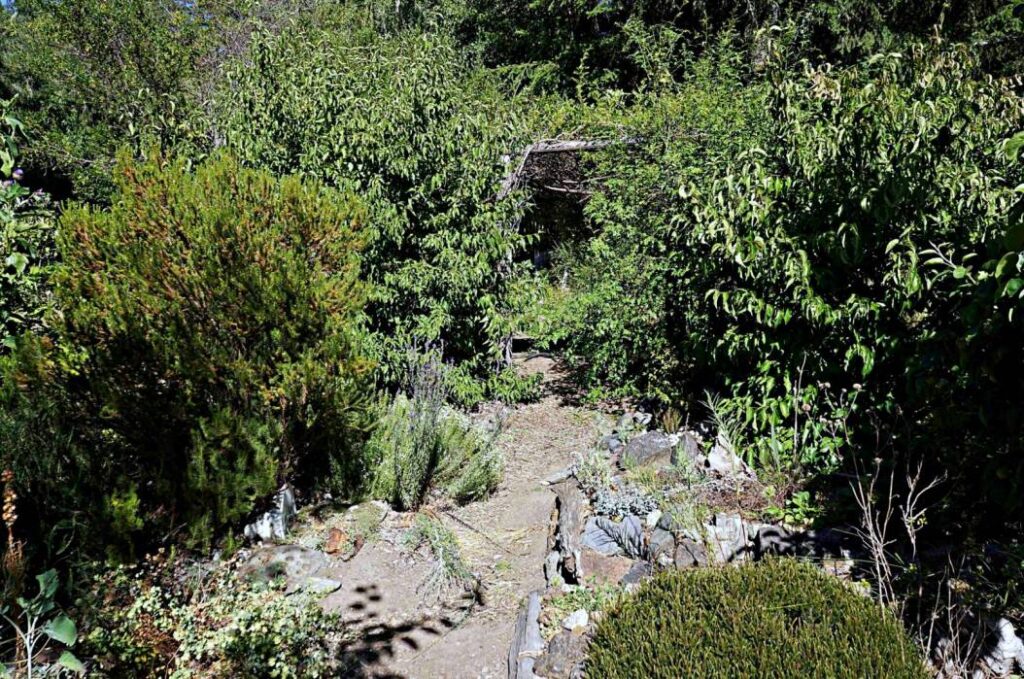
*Note 1 – I’m still coming to terms with the reality that my ability to manage everything has been handicapped by the bizarre cognitive impairment that has persisted since I got COVID two years ago—before this, my expansive memory and robust capacity to visualize allowed me to keep track of the thousands of plants here, perpetually hold in mind their history, care and propagation needs a couple years out, while simultaneously managing orders, correspondence, research, and any number of other projects. These lifelong skills were tattered overnight when I got the virus in August 2023, and we’re still learning to adjust to the fickle limits of my compromised cognition. In addition to the memory maladies, my ability to focus is often disrupted, which, among other things, makes writing frustratingly slow and hinders multi-tasking—key skills that allowed me to successfully grow and manage Sacred Succulents over the years…
º
**Note 2 – Since 2017, the diversity of plants here has been in sharp decline due to extreme, manic weather. We’ve experienced devastating losses—around 30% of our entire collection and nearly 50% of our nursery stock, including many endangered and irreplaceable species. The climate in our locale had some notable differences the first 2 decades we grew the nursery and established our conservancy-research garden: typically, winters were drenched and cold, springs wet and cool, summers dry and warm to hot but often tempered by fog, autumns warm to cool and dry to moist. We managed everything by hand watering. Even during hot dry summers there were a large number of species we’d established in our gardens that needed minimal additional water to the annual precipitation. This all changed around 2017—seasonal transitions became more abrupt, winter and spring became drier and interspersed with days to weeks of heat, summer and fall turned hot and desiccated with wildfires a major threat. Sudden extreme temperature swings were the most calamitous, leading to damage (even to cacti) and abrupt death of even well established perennials. With the soil dryer overall, we had mass die off of many rare, irreplaceable species in our gardens, and saw significant losses in the nursery from any missed watering. With erratic weather being the only new consistent, routines and rhythms of care we’d learned over decades no longer applied. Drastic changes to the manifold microclimates we’d created across the nursery & gardens (fine tuned over 20 years for the varied needs of thousands of species), as well as weather damage to our aging infrastructure, demands urgent renovations to nearly our entire scene. Rehabilitating the cumulative accomplishments of decades of work is a massive undertaking, which, until now, has proved untenable under the circumstances.
Tending such a broad spectrum of plants makes us a bit of a “canary in a coal-mine”. A recent study in Nature Communication confirms a global increase in the frequency and severity of rapid temperature flips and the negative impacts this is having on agriculture, communities and ecosystems in general. We’ve experienced the hazards of chronic manic weather first hand, overnight spikes from cool to hot have been particularly damaging, contributing to the devastating losses… We are now working to fortify against further losses.
♣
As a small family endeavor, your support of our work is vital and goes a long way!
♥
“Ben Kamm’s tireless work to cultivate and conserve rare succulents and other valuable plant species is unparalleled. Supporting this effort to recover and steward these critically important genetics will increase the resilience and persistence of this biodiversity reservoir for generations to come.”
—Kate Lundquist, WATER Institute Director, Occidental Arts & Ecology Center
_
“Sacred Succulents is several things — It is a small, family-run, horticultural, mail-order business, and it is a preserve and repository of many rare species that are hard to locate in the world or in any private or public collections. It is also the lifelong passion project of ethnobotanist Ben Kamm, who is dedicated to learning and educating about the habitat, taxonomy, and biochemistry of plants. Ben has devoted decades to locating, preserving, propagating and distributing rare plant species. With his partner Melissa, he maintains extensive greenhouses and gardens of species that they make available for collectors, research, and botanical gardens. This fine work is not supported by an institution, or any pool of wealth. It is supported by independent folks who care about preserving biodiversity, and the continuity of knowledge that must attend these species. A donation to help Sacred Succulents upgrade their facility is a vote for carrying these plants and our knowledge of them into the future.”
—Kat Harrison, Ethnobotanist, Co-Founder and Director of Botanical Dimensions
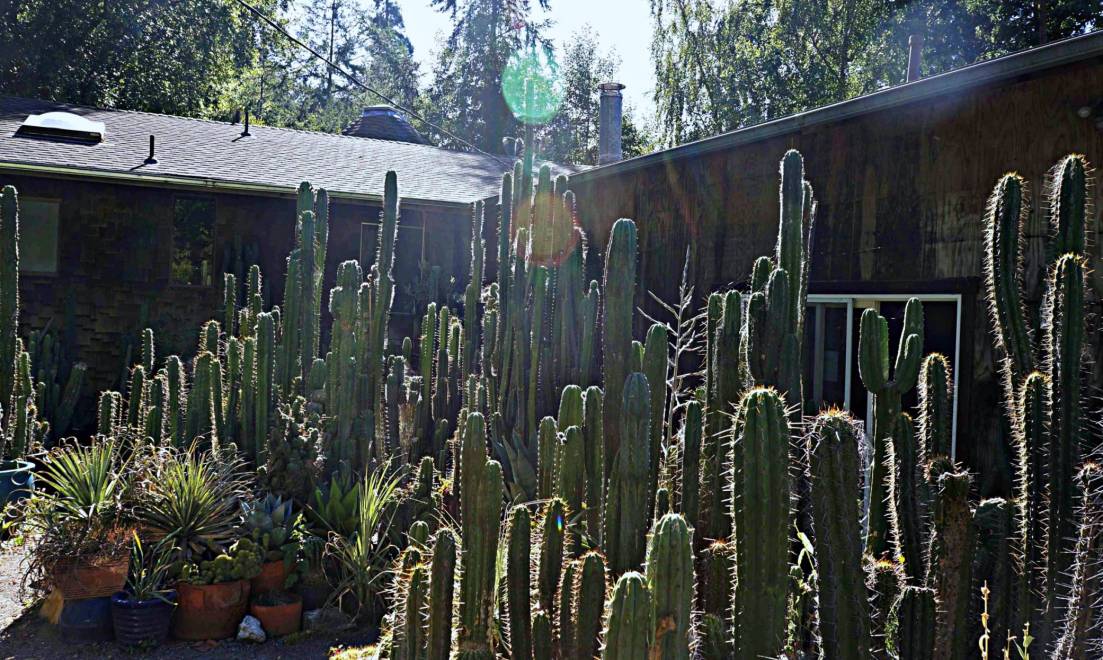
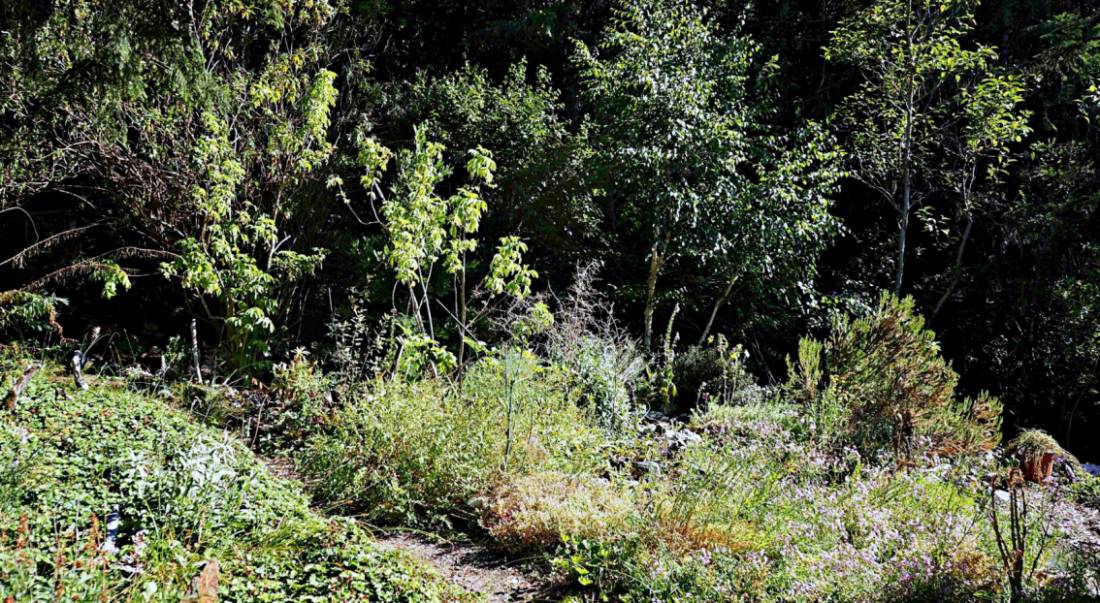
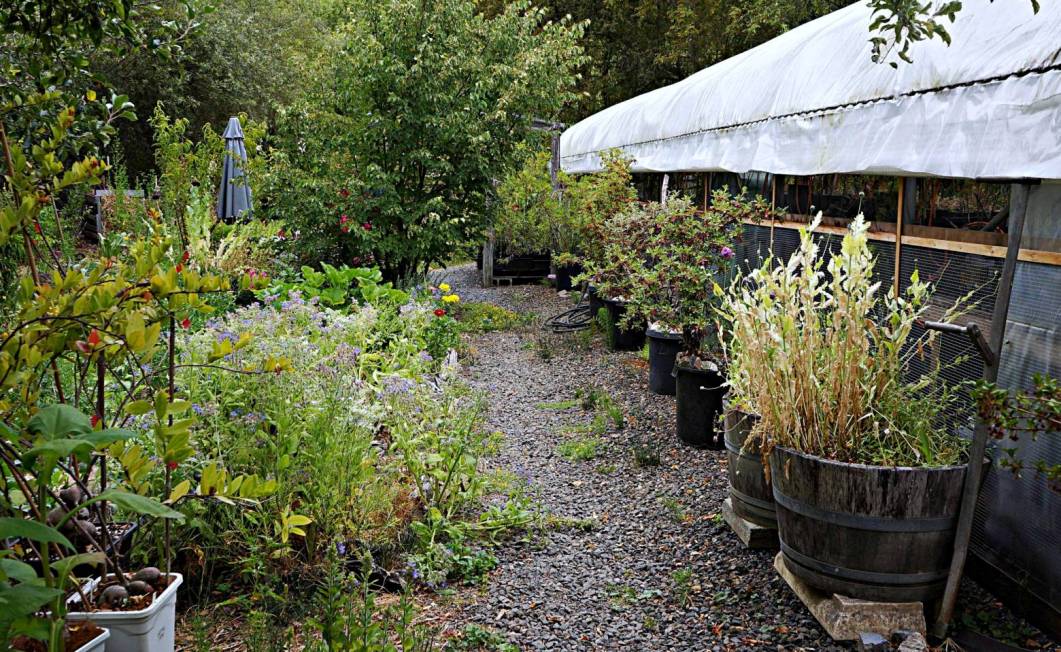
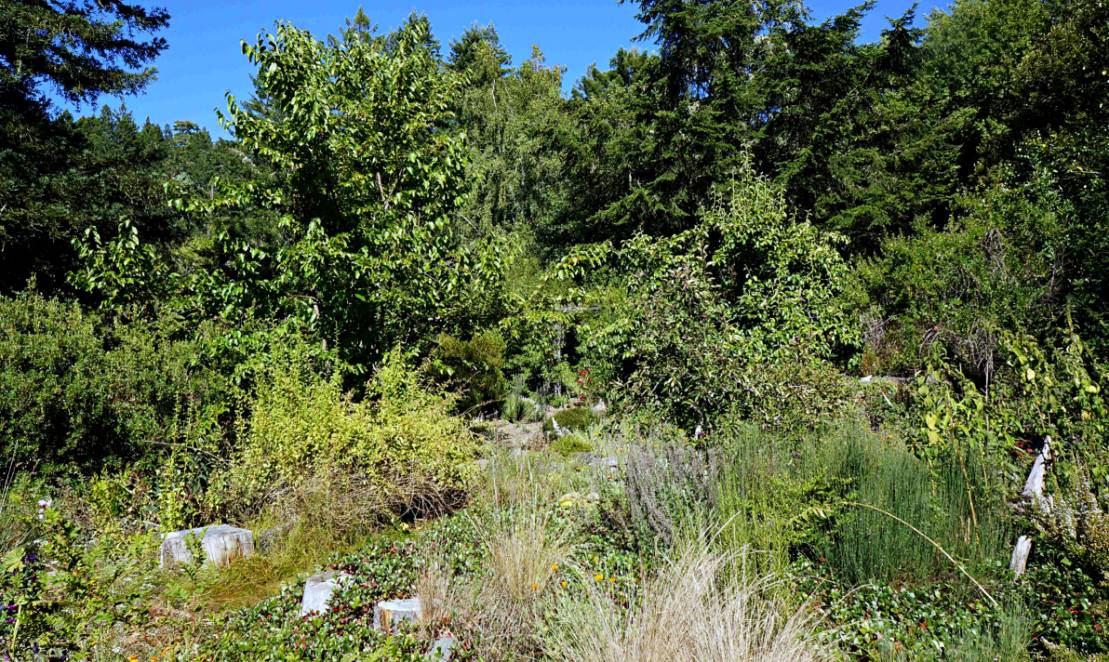 ↑ Sacred Succulents conservancy-research gardens ↑
♥
“The work you do with Sacred Succulents is extraordinary, and the way you’ve dedicated your life to preserving endangered species and ethnobotanical knowledge is deeply inspiring. I truly hope your campaign brings the support you need to restore the nursery and protect those living collections.”
—Delia Ackerman, Documentary Filmmaker and Conservationist
♥
“Ben Kamm’s lifelong dedication to plants has made him one of the most respected ethnobotanists and nursery experts working today. Through Sacred Succulents, he has shared rare and vital species with a global community of growers, always with deep ecological awareness and cultural respect. His vision combines scientific rigor with a gardener’s devotion, inspiring countless people to see plants as teachers as well as companions.”
— Steven F. White, Ph.D., Co-Author of Microcosms: Sacred Plants of the Americas (Papadakis, 2025)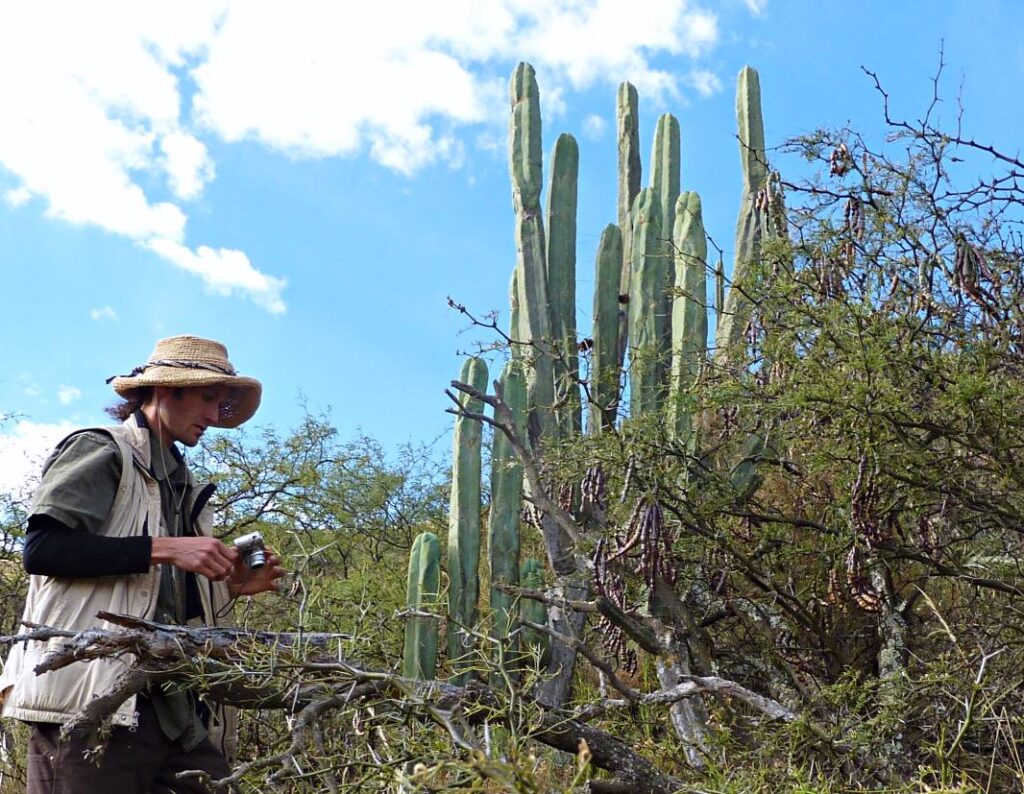
Sacred Succulents was founded by autodidact Ben Kamm, a third generation Californian with Irish, Scottish, Cherokee, Ashkenazim, and Lithuanian roots. A parent, ethnobotanist, writer, and conservation horticulturalist working with innovative ecological methods of plant propagation and seed germination. Former director of Botanical Preservation Corps for over 14 years; Ben has organized research expeditions throughout Andean Argentina, Bolivia, and Peru, where he has ‘discovered’ and described plant species new to science. He has co-taught ethnobiology field courses in the Andes and southern Baja, and regenerative agriculture courses in Hawaii and California. The living plant progeny of his endeavors reside at numerous botanical gardens and in home gardens around the world, while his photographs and plants have appeared in a spectrum of books, including the Richard Schultes, Albert Hofmann, & Christian Ratsch classic, Plants of the Gods. Ben is a contributing researcher & photographer to the MICROCOSMS science-art project and book featuring stunning microscopy images of sacred plants. Ben is overseeing the posthumous publication of a deluxe edition book series spanning the long career of famed ethnobotanist Jonathan Ott, Ben was also integral to the final publication of the illustrated anniversary edition of John Crowley’s award winning novel, Little, Big.
♥
Ben is dedicated to promoting ecological literacy and the preservation and dissemination of beneficial plants along with traditional & contemporary ethnobotanical knowledge.
https://sacredsucculents.com/botanical-reflections/
https://www.microcosmssacredplants.org/commentary/ben-kamm/
https://jonathanottbooks.com/
https://littlebig25.com/
⇓
Some of our published research—your support can help us complete more:
Echeveria cerrateana a new species from Ancash, Peru
The Crassulaceae of Cusco Peru part 1: subfamily Echeverioideae
The Crassulaceae of Cusco Peru part 2: subfamily Sedoideae
Exploring the Anthropogenic Vegetation at an Ancient Incan Site [→pg 5]
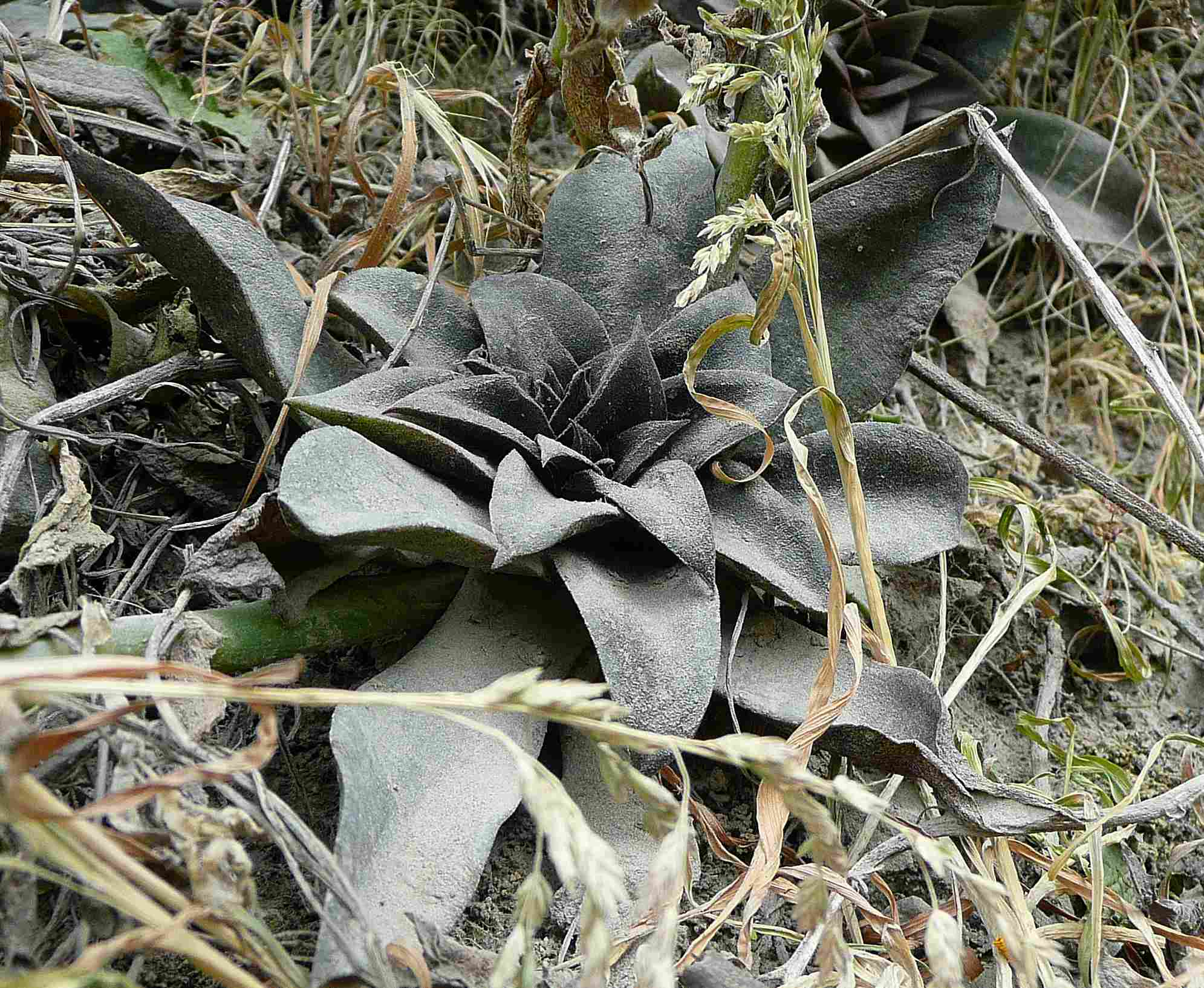 ↑ One of ‘our’ discoveries—Echeveria cerrateana, Fortaleza Canyon, Ancash, Peru ↑
 ↑ The loraypo design associated with Echeveria spp.; weaving by Grimalda Quespe ↑
___
“Ben Kamm has been in service to people and plants, specifically plant enthusiasts and entheogenic succulents, for as long back as my botanical memory reaches. Service. ‘What goes around comes around,’ as they say here in Southern Oregon. Serving people by way of plants is perhaps one of the most enjoyable and effective paths. Plants offer silent solace, sitting there on the windowsill, filtering the air, making oxygen. Secondary compounds held in their bodies, molecules that heal illness or expand consciousness, are less tangible than the visible tissues, spines and epidermis, fleeting flowers, yet hold great promise to mend the human condition. Some of these effects are known. Some are yet to be discovered. In each case, conserving the plants themselves is necessary, worthy of our selfless contributions. We are of body and mind. Supporting rare plant conservation, these strange species from far-flung places, is one way of throwing bread upon the waters of our best human potential. May the minnows in the shallows be nourished. They are. . . us.”
— Richo Cech, Author, Plantsman, founder of Strictly Medicinal Seeds
♣
“Ben Kamm has done great service to people and the planet through his preservation efforts aimed at beneficial plants, especially Andean flora. Hands-on practitioners like Ben have done more to protect plant diversity than all the governments in the world. He is of the rare class of dedicated plantsmen that the world is losing. Not only are we losing species and habitats, but are losing the dedicated folks who do the important work of collecting and maintaining plants from endangered habitats. Over the past few decades we have lost P. Kohli, the Kashmiri plantsman preserving Himalayan plants, killed by Muslim separatists; Rachel and Rob Saunders, tireless South African botanists, murdered by criminals; Kent Whealy, founder of the Seed Saver’s Exchange, passed away; and many other heroes, passing or retiring. Governments around the world are shutting down the free flow of seeds and plant materials, and academics and botanic gardens have largely failed to resist these restrictions.
If we lose Ben’s efforts, the world will be a poorer place. The man has devoted his life to these plants, and we need to make sure he can continue for decades to come. Now is the time to step up and support this work!”
— David Theodoropoulos, Conservationist, Seedsman, Director of J.L. Hudson Seeds [founded 1911] since 1973
___
♥
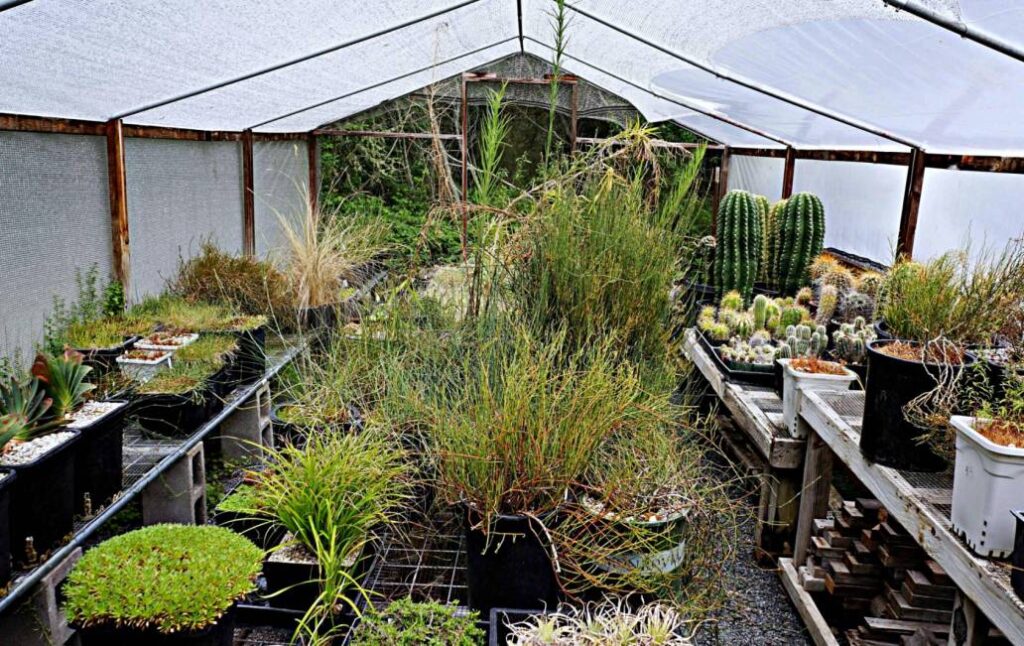
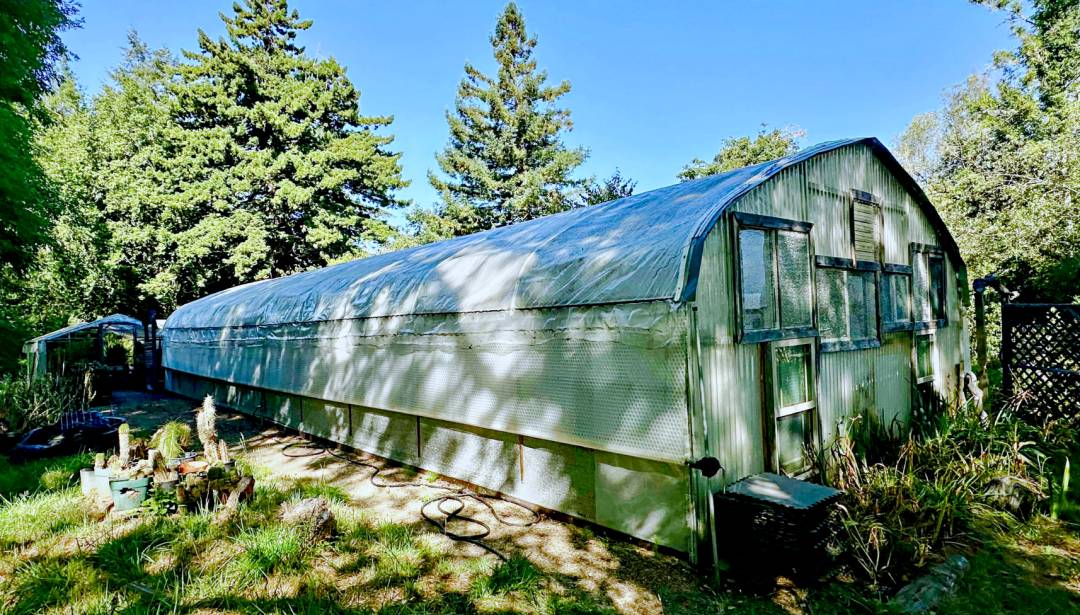
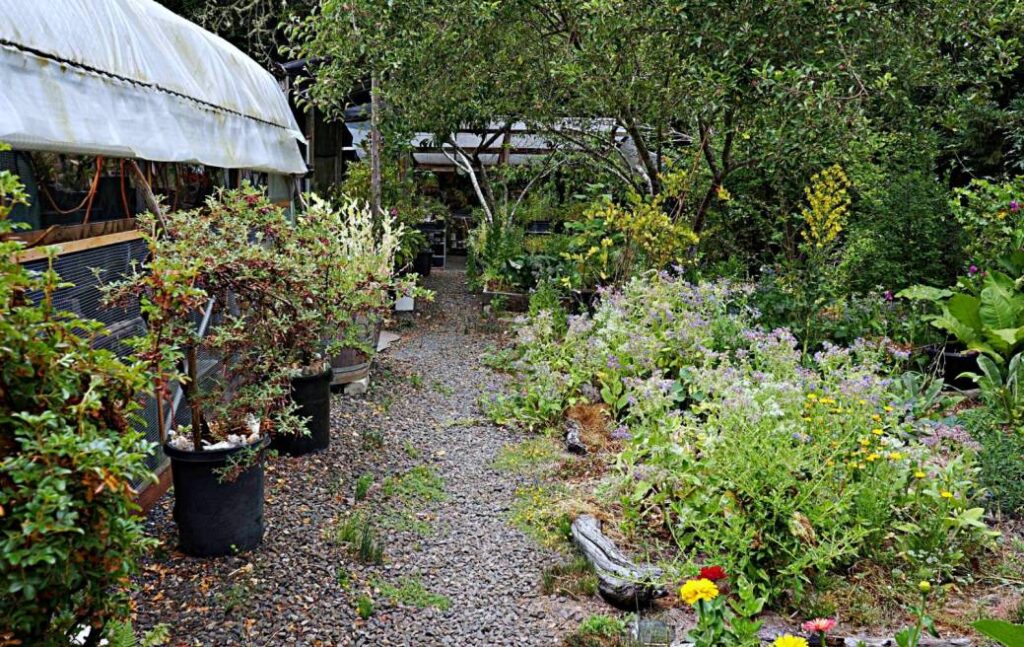
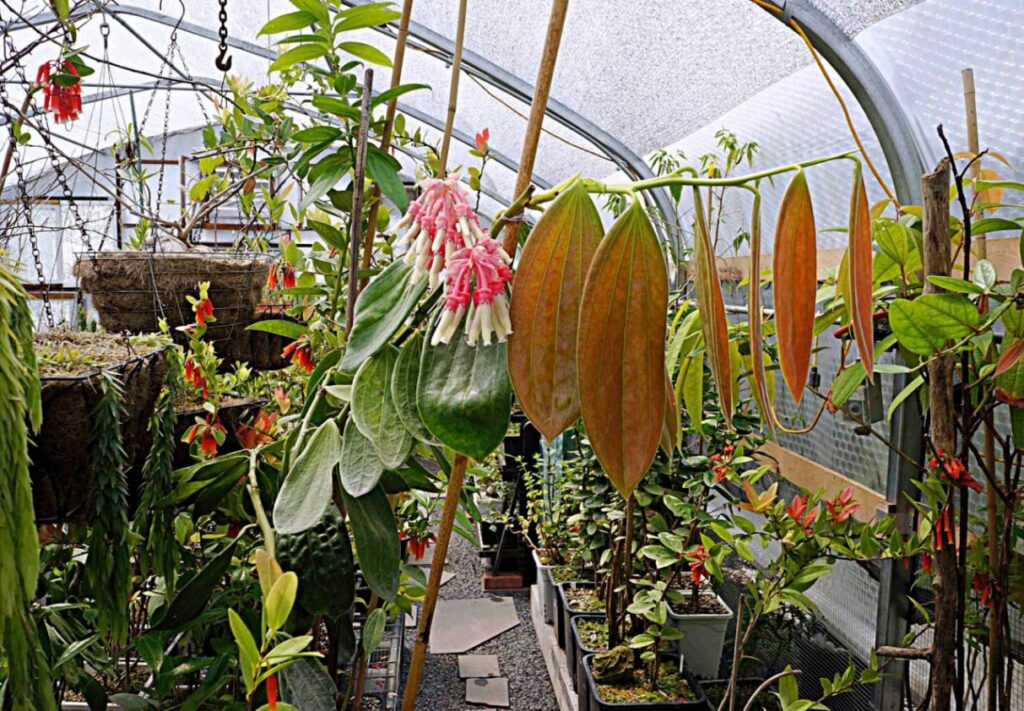
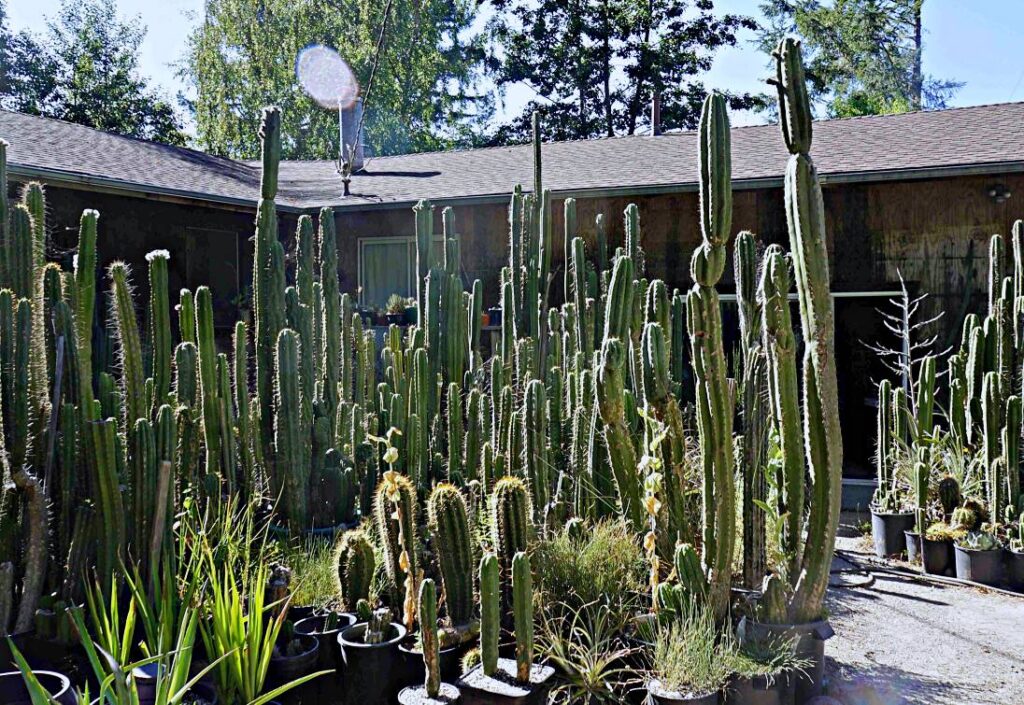
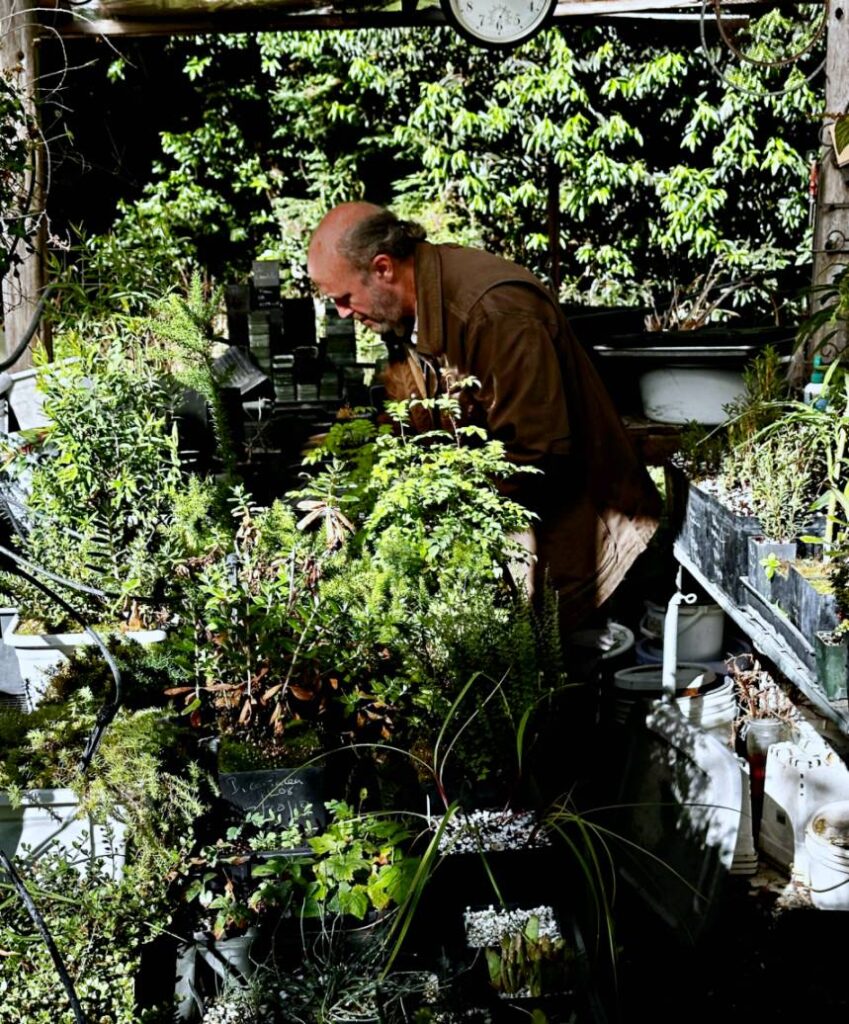
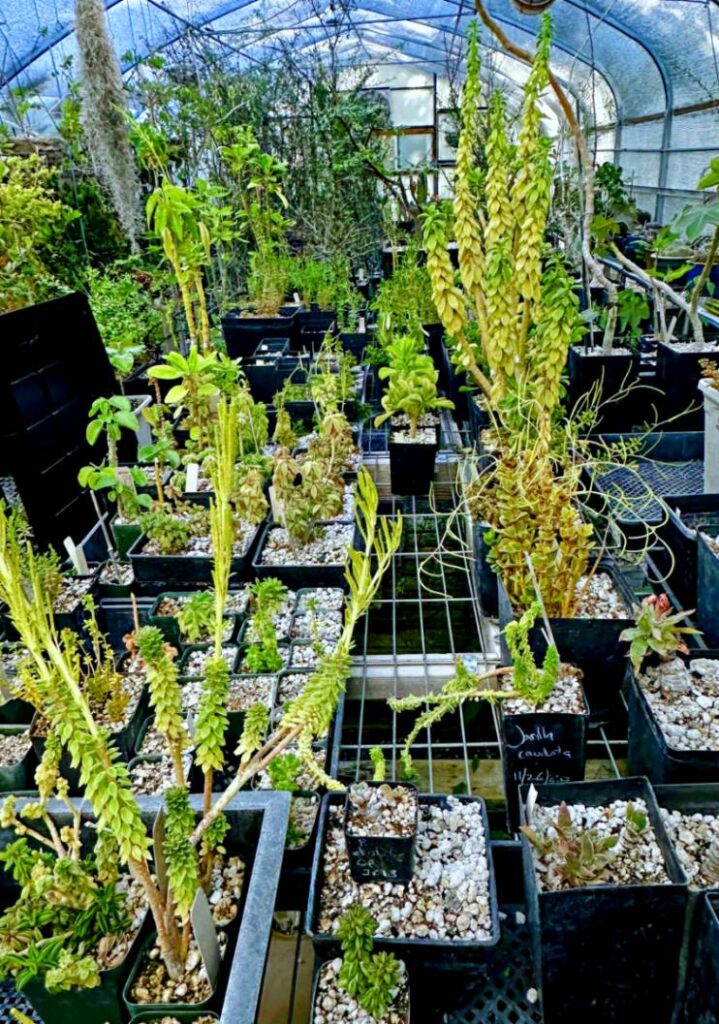
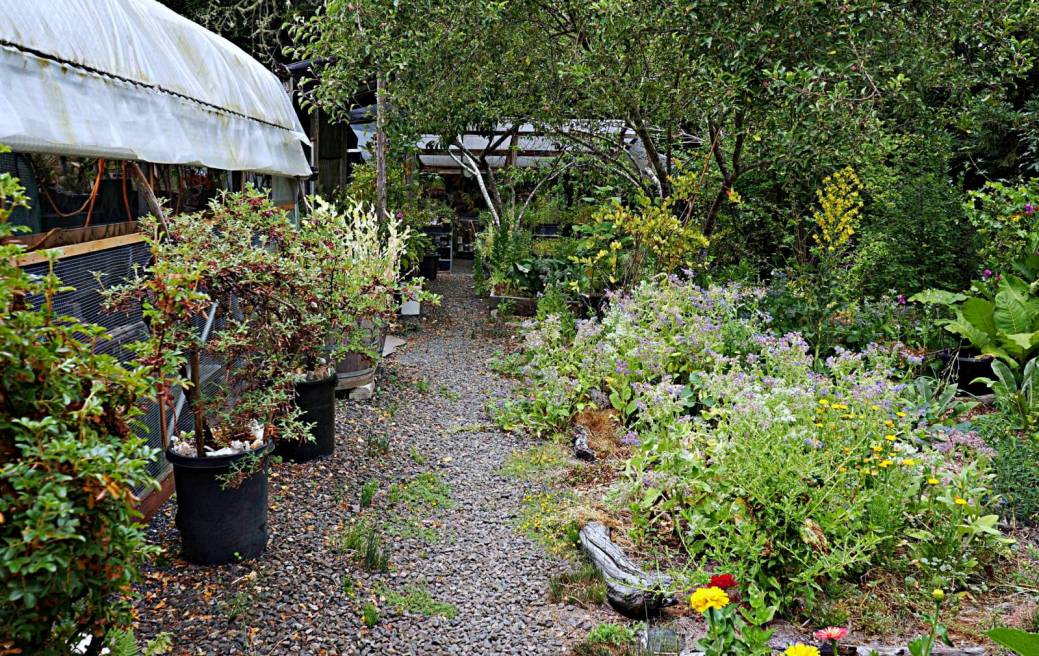
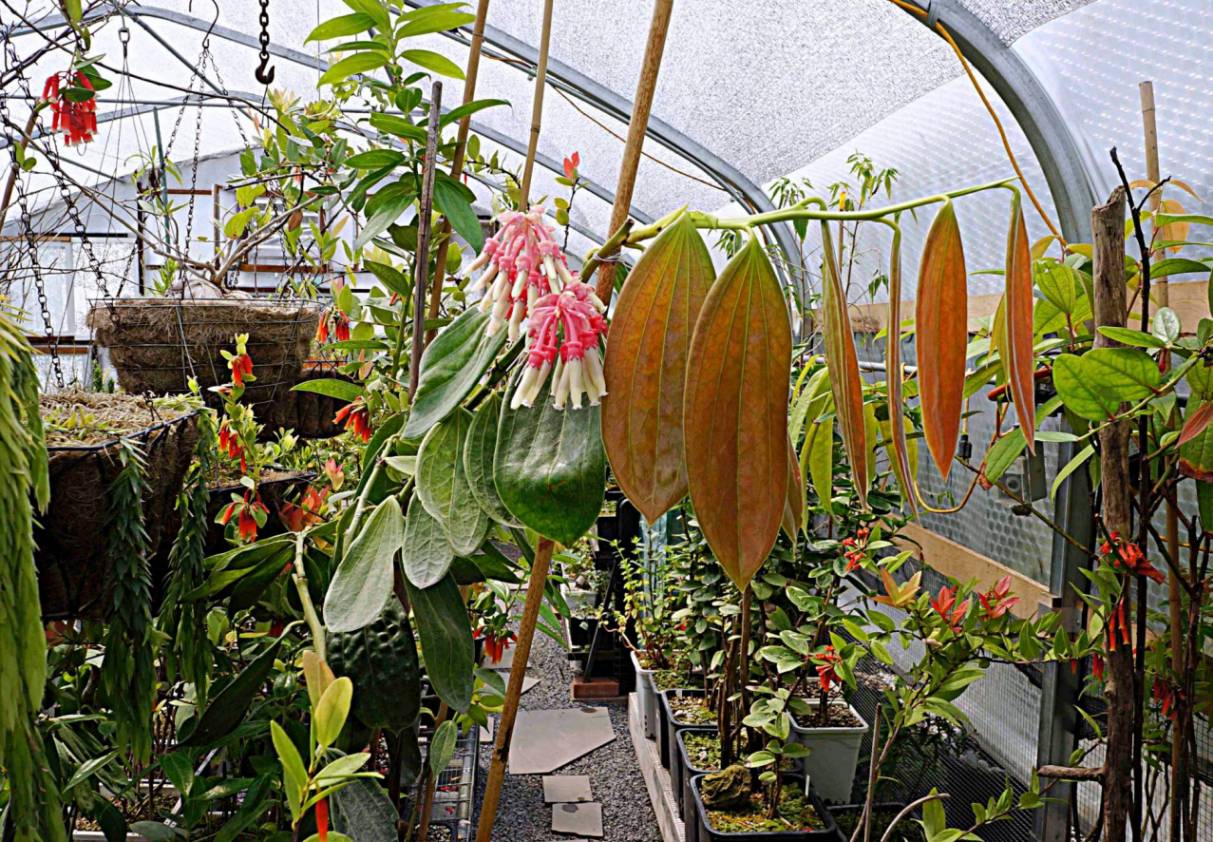
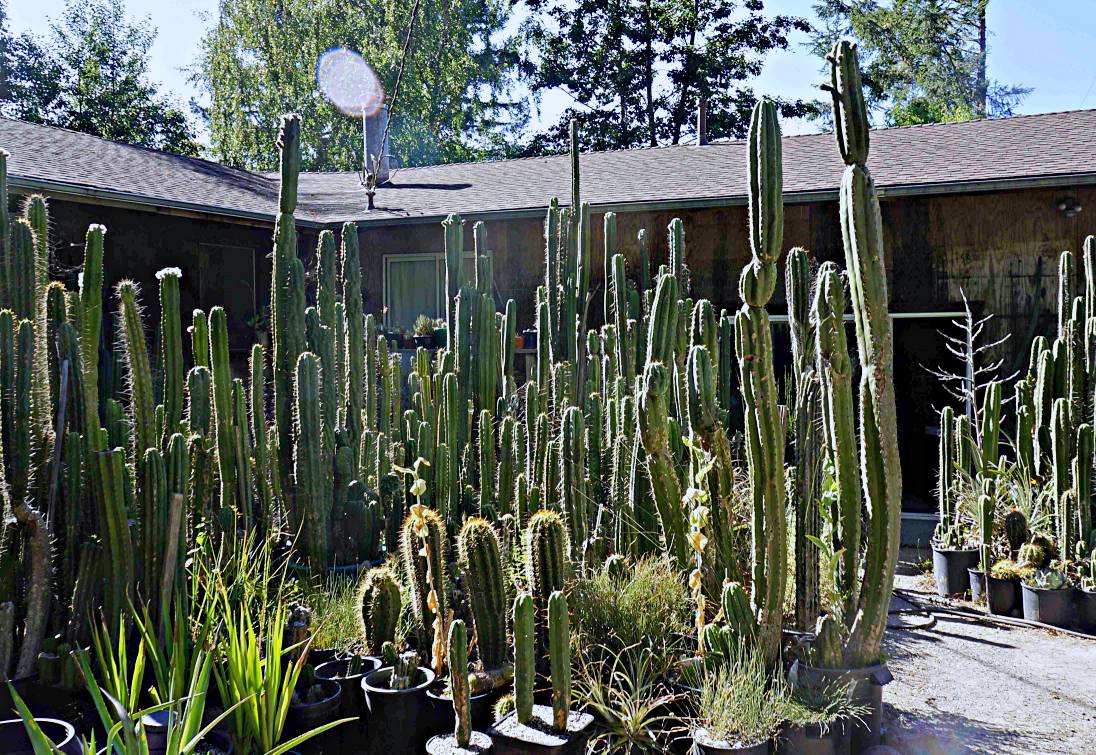
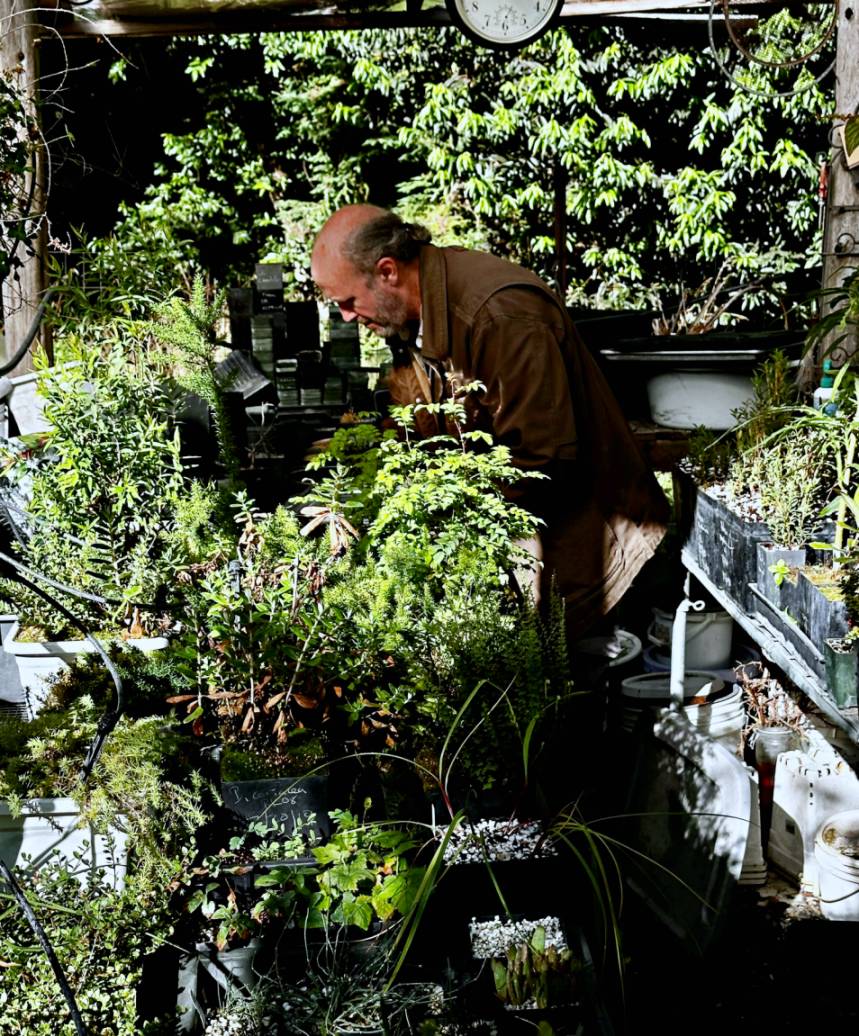
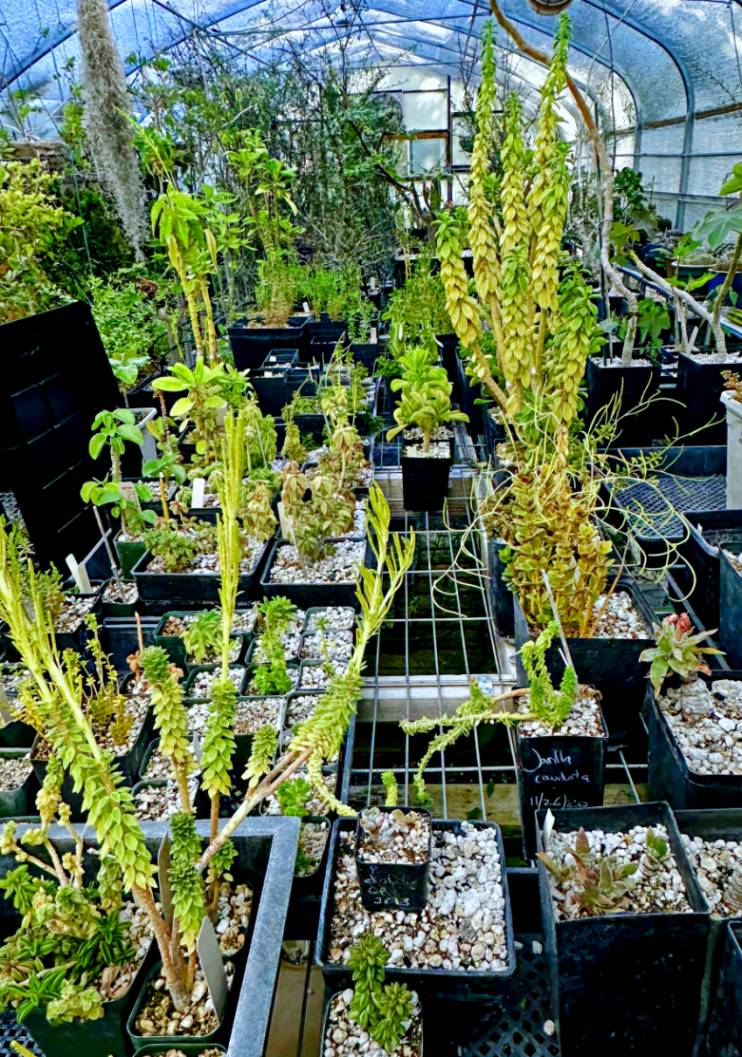
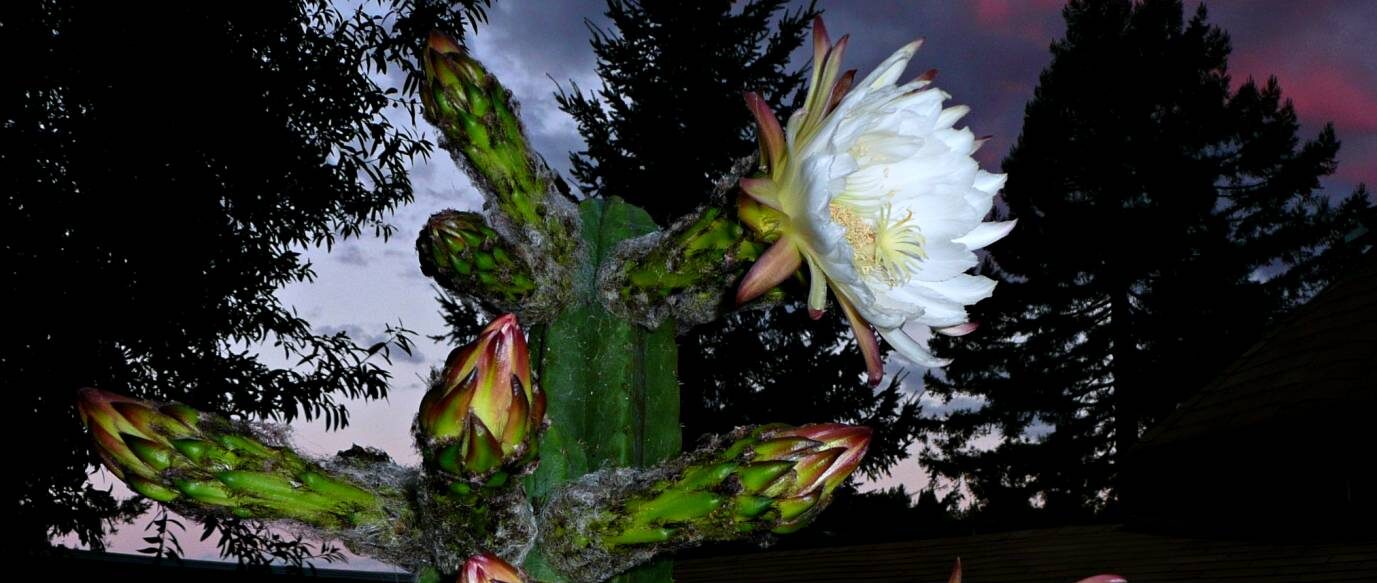
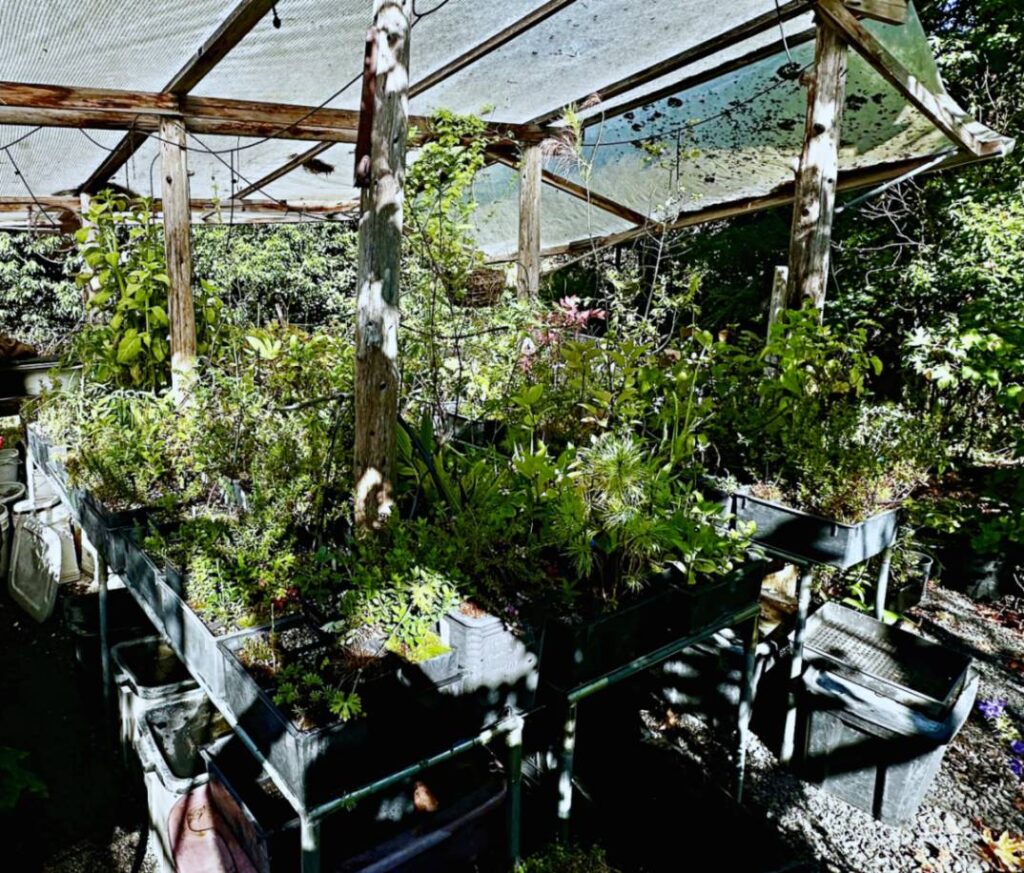
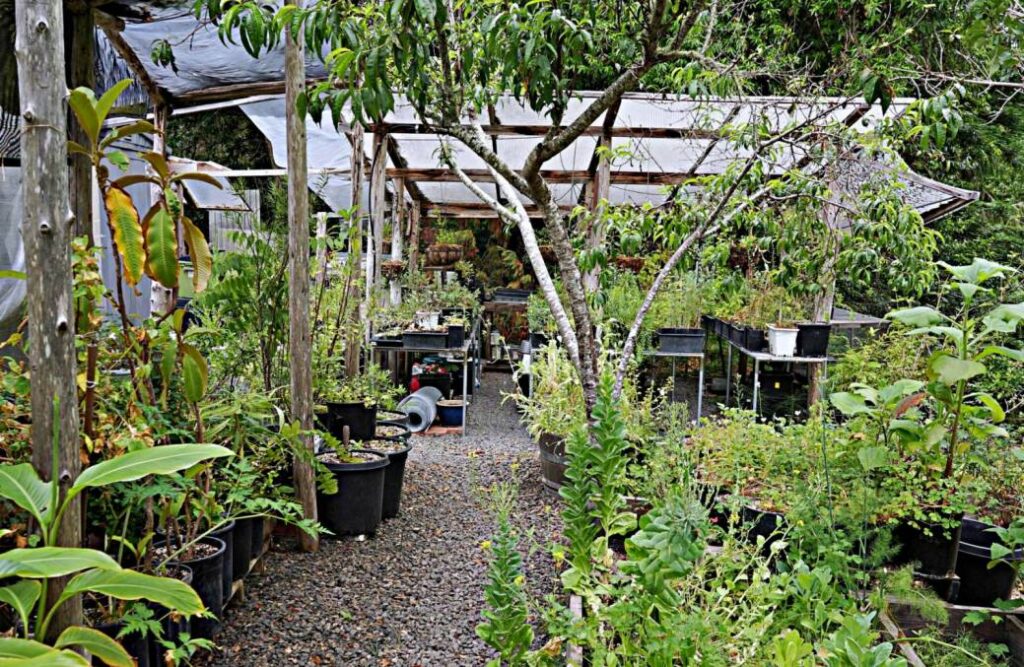
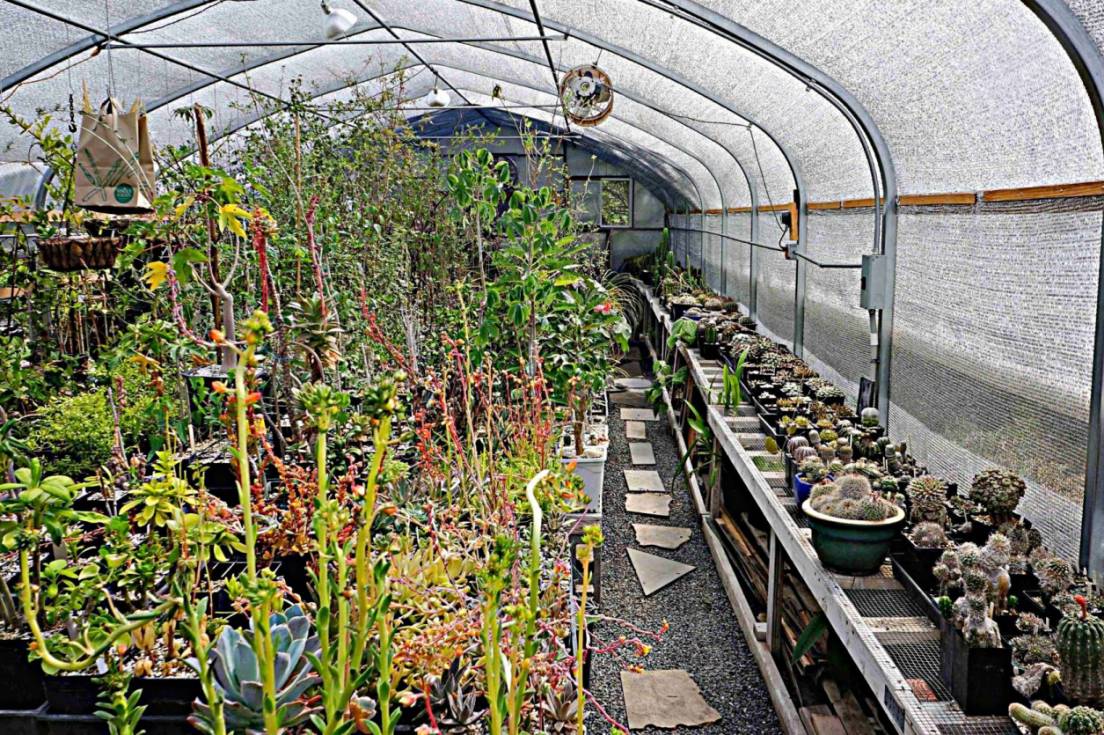
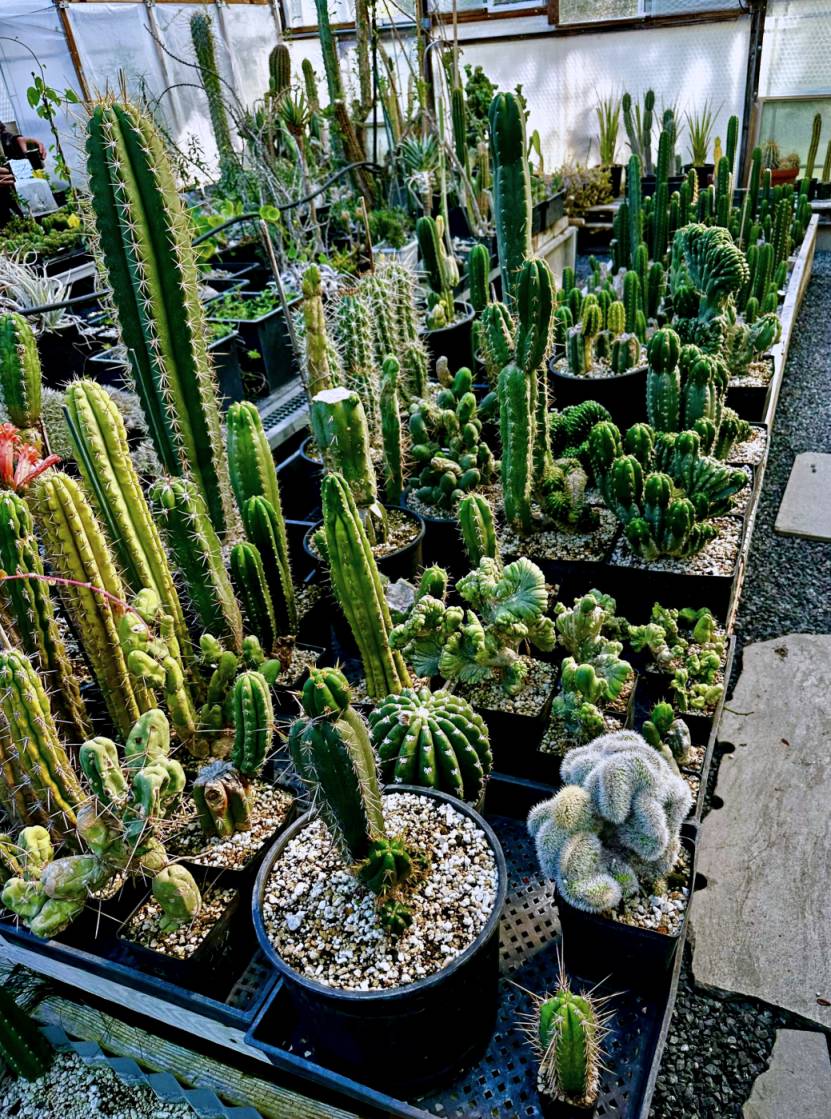
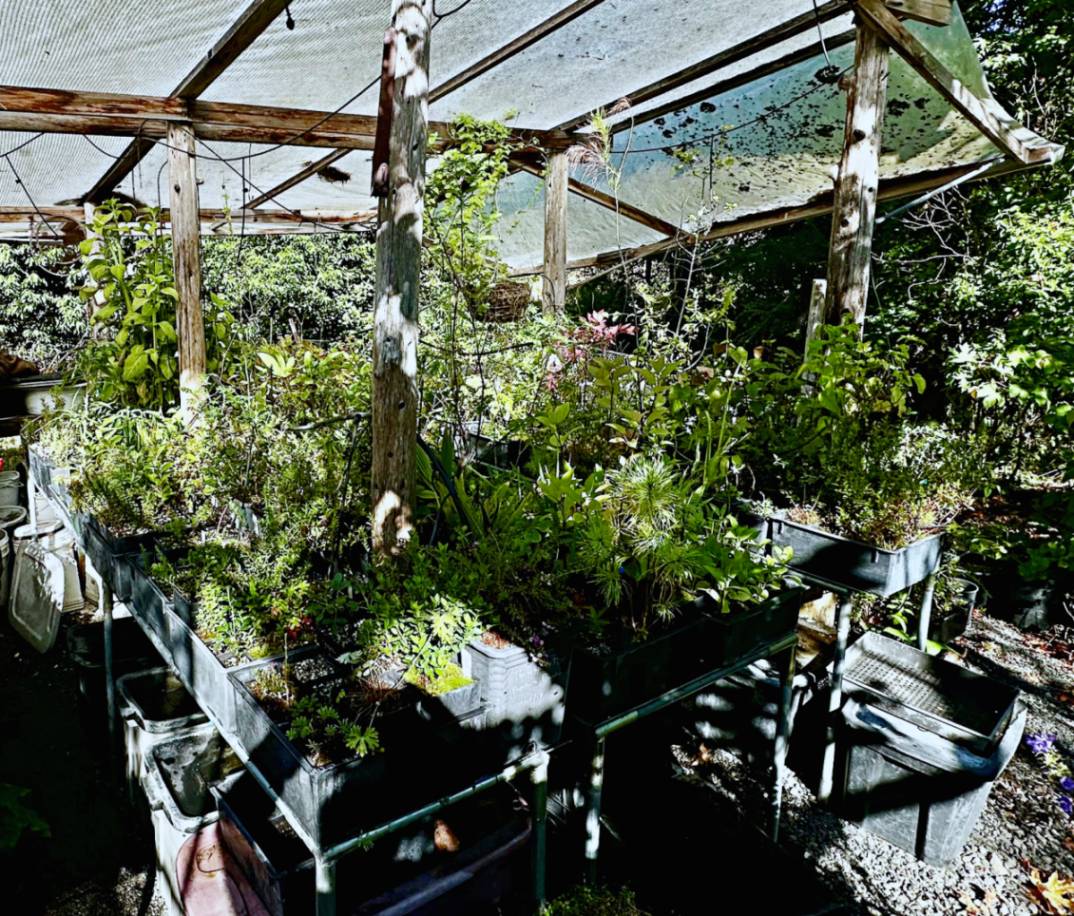
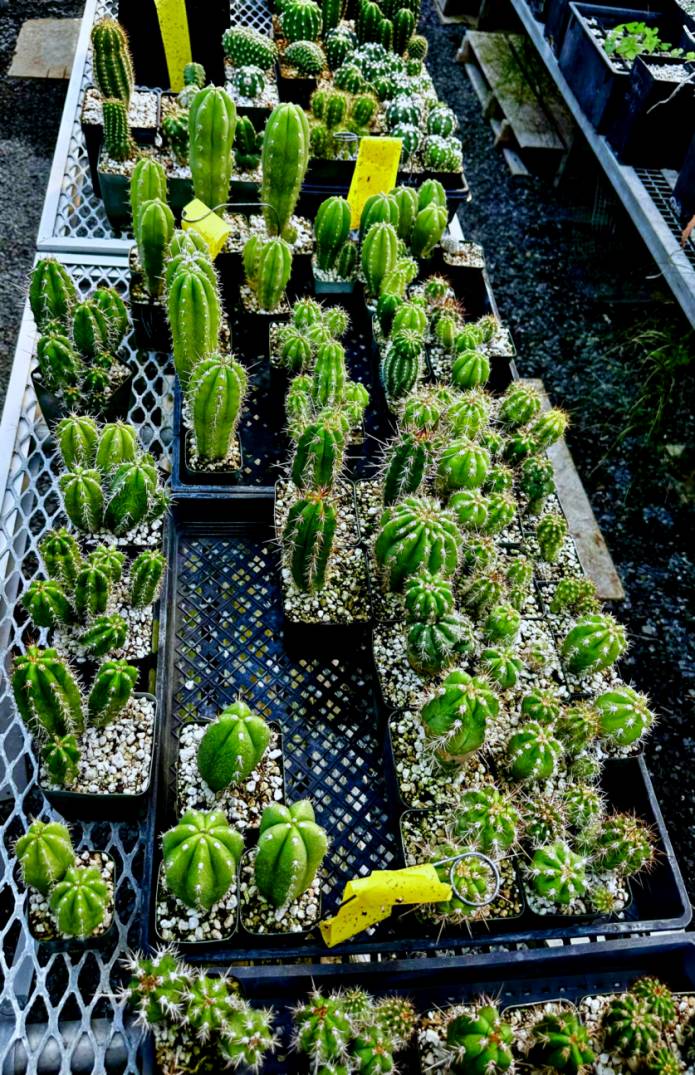
Images from around the nursery: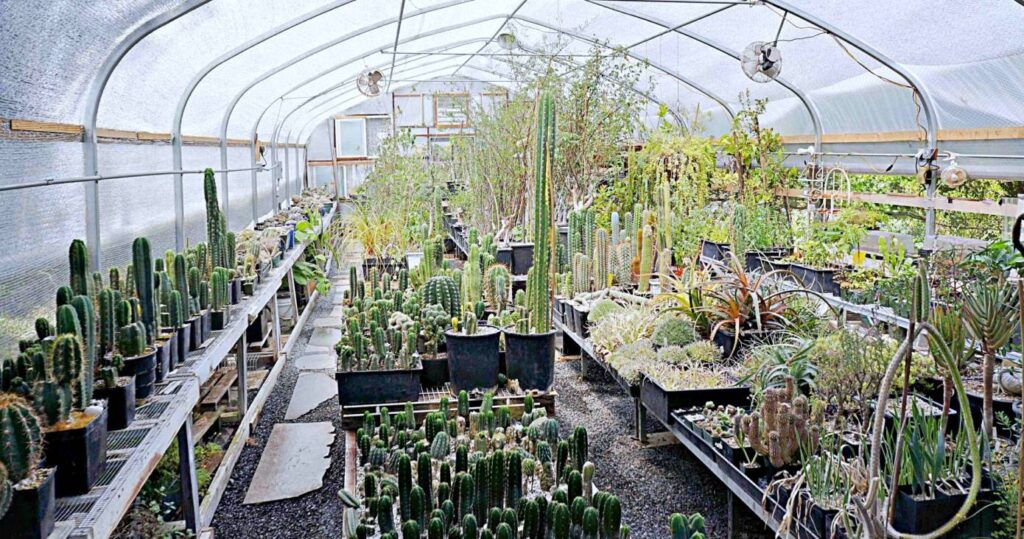
 ♣
♣
A bit about Sacred Succulents:
A small family run business, Sacred Succulents was founded in 1997, born from our love of plants and a calling to the sacred duty of their conservation through propagation, dissemination and education. We are involved with the preservation of a perpetually increasing diversity of plants at our biosanctuary here in northern California. We have long been the premier nursery for Trichocereus cactus offerings, and while our early focus was succulents and xerophytes, our international field work, ethnobotanical research, and the ever growing necessity of species sustentation has us propagating a cornucopia of unusual and wonderful beneficial plants from remote and immediate regions of our fertile planet. Many plants we steward are seriously endangered in habitat, we offer them to you in the hopes of the preservation of these species.
We hold the vision that the self-destructive ways of the dominant world cultures may ultimately provide fertile compost for the blossoming of novel nurturing cultures… and that the diversity of plants we’ve helped bank in suburban yards, private collections and botanical gardens, may be utilized to repopulate what remains of the habitats in which their ancestors once evolved, while new suitable habitats are established around the world. We feel that involvement in such endeavors is intrinsic to human reciprocity with nature. We are dedicated to creating fertility watersheds and align ourselves with the generative powers of our planet. Widespread dispersal of plants along with propagation on an individual level is one of the most viable means of helping protect and “back-up” wild populations, while assuring the evolutionary expansion of these botanical wonders.
◊
~ We strive toward maximizing biodiversity in our gardens and offerings ~
Plant diversity is essential to resilience during these times of adversity, gardens & greenhouses are bio-banks for the future.
◊
Collectively, we have introduced hundreds of new plants into cultivation,
hopefully safeguarding some from extinction and cultural loss.
To assure distribution of the highest levels of genetic diversity, the majority of our plants are seed grown.
◊
Outside certain botanical gardens, we steward one of the foremost collections of Andean plants in North America
—this includes some of the leading collections of Bomarea, Echeveria, Nicotiana, Peperomia, Puya, Trichocereus,
Andean forest species, Neotropical Blueberries, and Andean heirloom crops, tubers & their wild progenitors.
We also house some of the preeminent collections of Ephedra from around the world,
Burseraceae like Boswellia (Frankincense) & Bursera (Copal, Palo Santo),
Asian Huckleberries (Agapetes, Gaultheria, Vaccinium), obscure medicinals & edibles, and more.
♦
We all have the strange grace to live in this time of climatic change and massive biological extinction recognized to be greater than anything the biosphere has experienced in 65 million years. Plant extinctions have been estimated at a loss of nearly two species a day. There is also the loss of our collective human heritage, as the cultures, languages, dreams and songs that were intimately woven to those species disappear with them. Amongst thousands of known food plants, the world’s food supply relies on a scant dozen. We must do much more than save heirloom varieties and landraces of the major crops. We encourage you to relearn the forgotten indigenous foods and medicines of your region and of your lineage. Where habitat still exists, these are often disappearing from the fields and forests for lack of tending. Experiment with strange and rare edible plants, expand your palate. These are the seeds of true health and food security.
Each and every one of us are co-creators of our ecosystems. Whether you have a bright window in a city apartment, a suburban house with a yard, or access to acres of land, you can take part in the nurturing of endangered plants, propagate them and pass along the seeds, starts, attendant aspirations and ethnobotanical knowledge to friends. Realize the power we each have to assist our vanishing flora, acting as conservationists through a simple and joyful role as gardeners, horticulturalists, admirers of plants. These small endeavors help to put us in resonance with the viridian heartbeat of the biosphere, a reminder of earthly things like soil, weather and mooncycles in a world increasingly adrift in the navel gaze of cyberspace. Attention to seasonal gifts such as spring flowers can refresh our wonder in the delicate fortitude of life in all its myriad forms. There is so much life and potential to celebrate all around us!
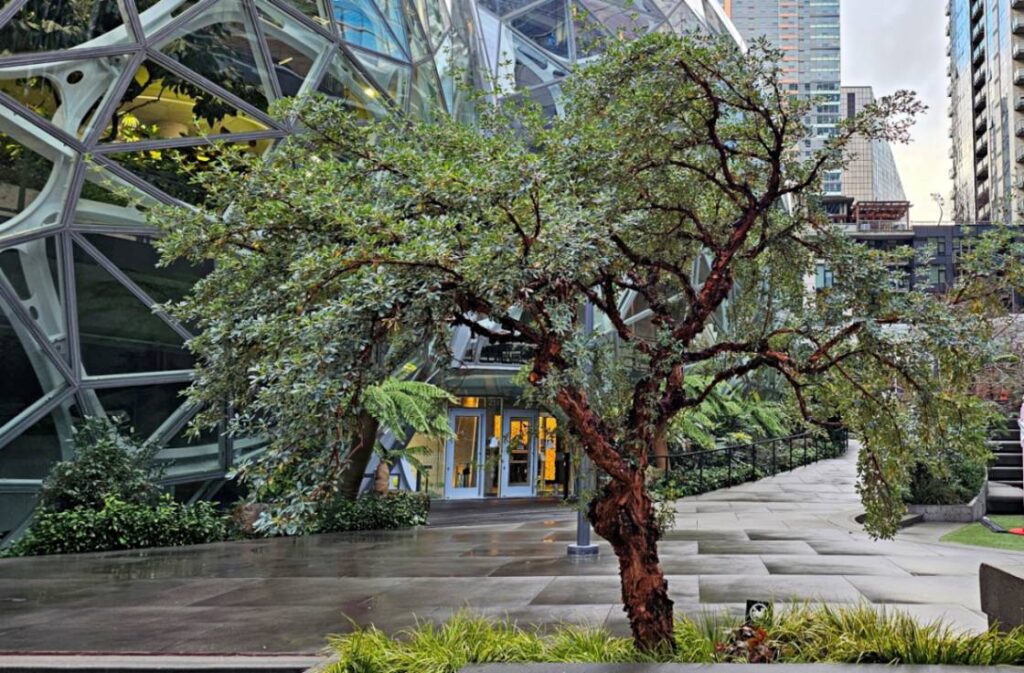 ↑ Polylepis tomentella ssp. incanoides BK10509.20 at the Amazon Spheres, Seattle, WA ↑
♦
Sacred Succulents unique work has been recognized by numerous researchers, conservationists, and botanical gardens. To help safeguard our conservation efforts propagating rare species over the decades, we have donated or distributed hundreds of plants to botanical gardens and institutions—to name just a few: UC Berkeley Botanical Gardens (which houses the largest number of our Andean BK field accessions), the Huntington Botanical Gardens, the Seattle Spheres, the California Academy of Sciences, the New York Botanical Garden, the Parque de las Leyendas, the CSU Fullerton Greenhouses, the San Luis Obispo Botanical Gardens, the Ventura Botanical Gardens, and more.
♦
“I really want to thank you for taking care of these very interesting and hard-to find plants with such dedication. Being able to source tubers and seeds from you really enhanced our South American crops collection and I am so glad to be able to share these plants with people who visit us. People who are familiar with them are often delighted to see these plants, and most others are seeing them for the first time! I appreciate you making these fascinating plants available—they are really special and I salute your work!!”
— Catherine Callaway, Horticulturist, Ethnobotanical Collections, UC Botanical Garden, Berkeley
To receive our periodic (usually every 4–8 weeks) emails listing new plants, sales & auction fundraisers,
news from our gardens, greenhouses, research & travels, and occasional articles on various botanical topics, sign up at –
http://lists.sonic.net/mailman/listinfo/sacredsucculents
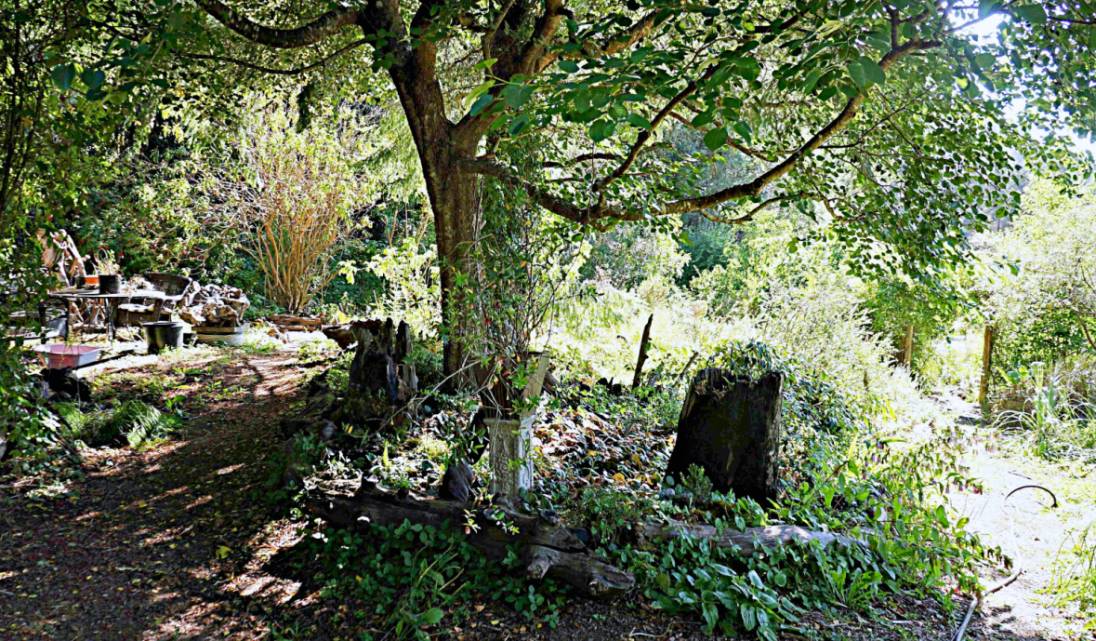
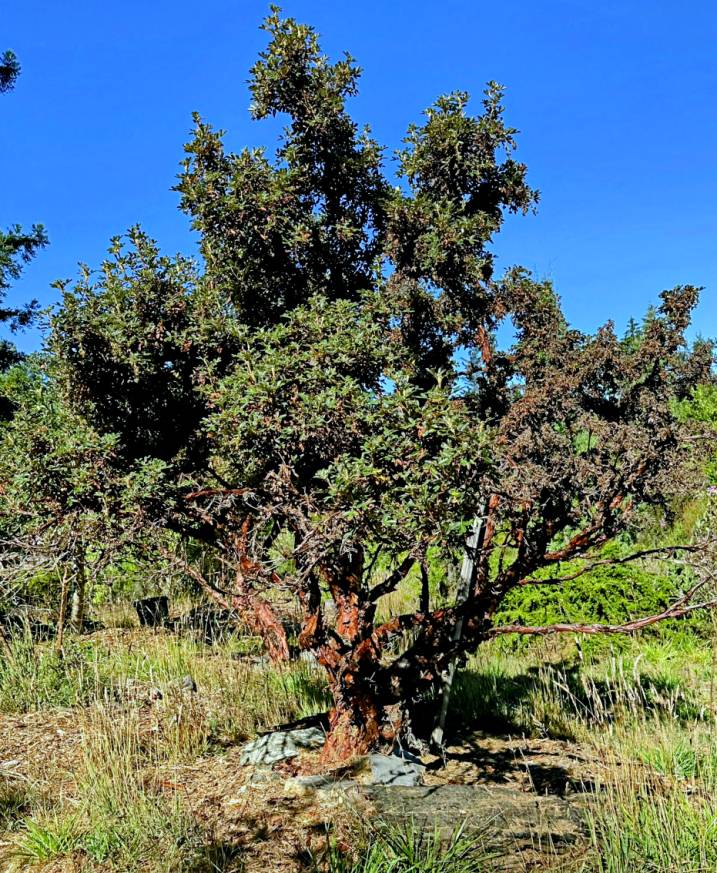 ↑ Polylepis lanata in our garden ↑
♣
“I urge you to consider throwing some love towards Sacred Succulents… headed up by the brilliant and passionate plant-man Ben Kamm. Sacred Succulents is, without doubt, the premier nursery for Trichocereus cactus offerings. But the outfit is also dedicated to the preservation of ethnobotanical knowledge and rare and endangered plants. Ben is a fiercely DIY guy, and I am amazed at his independent efforts to sustain his mail-order nursery, public-access seed bank, and research gardens, which have provided scores of rare plants and seeds to big-name places like the UC Berkeley Botanical Gardens and the Huntington Botanical Gardens. Ben’s nursery and gardens now need some serious renovation work. In the immortal words of the Lorax, ‘Unless someone like you cares a whole awful lot, nothing is going to get better — it’s not.’ ”
— Erik Davis, Cultural Historian, Author of Techgnosis, High Weirdness, The Visionary State, etc.
♣
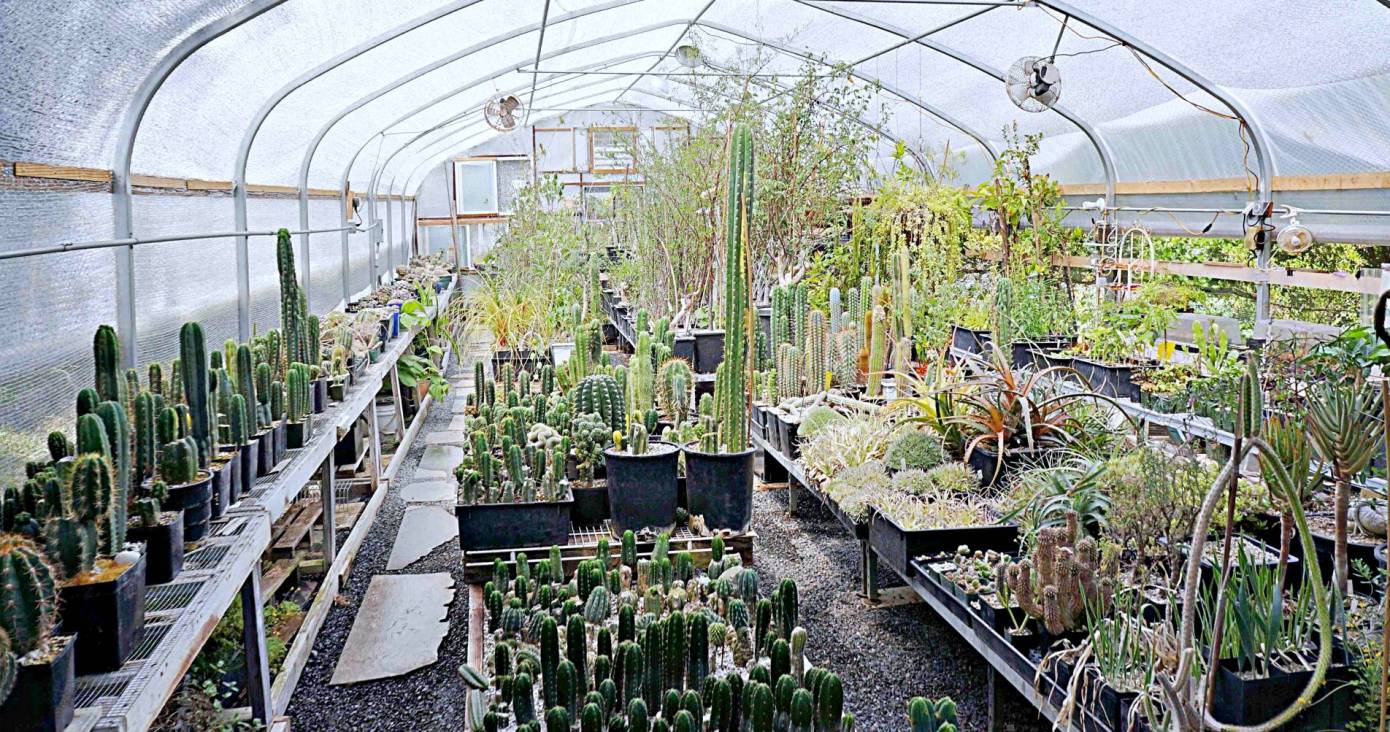
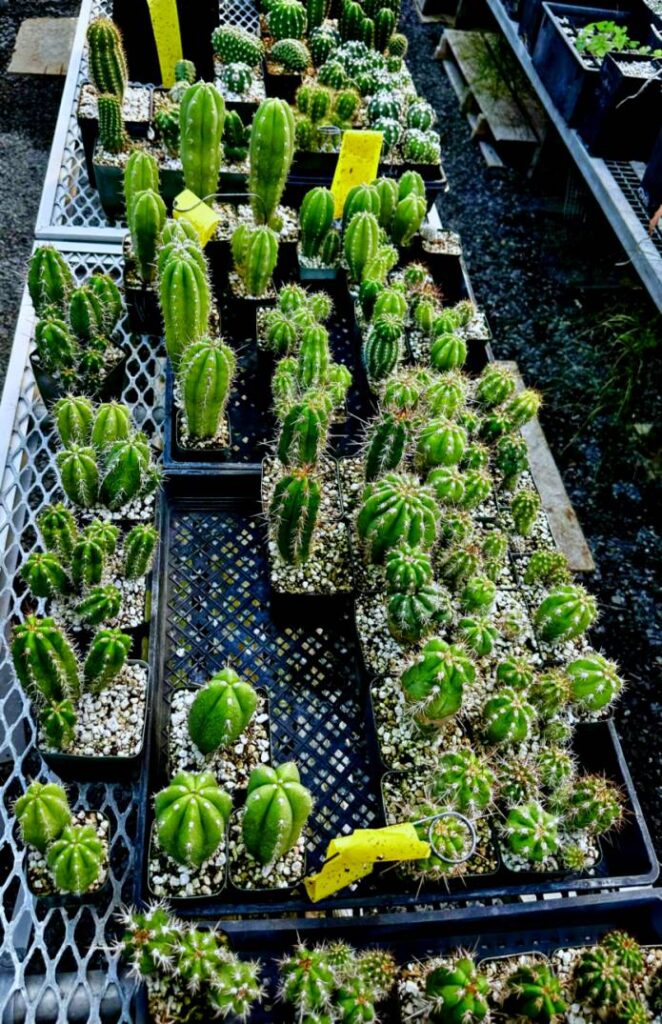
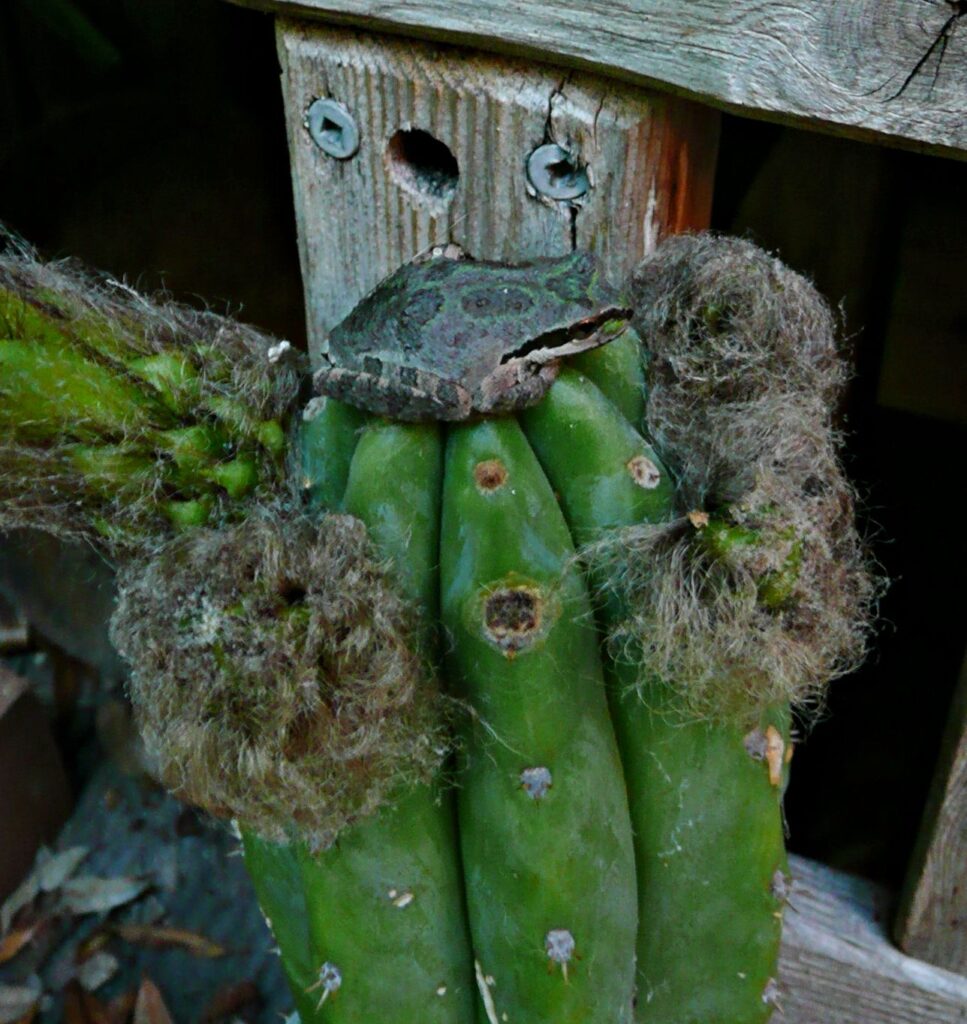
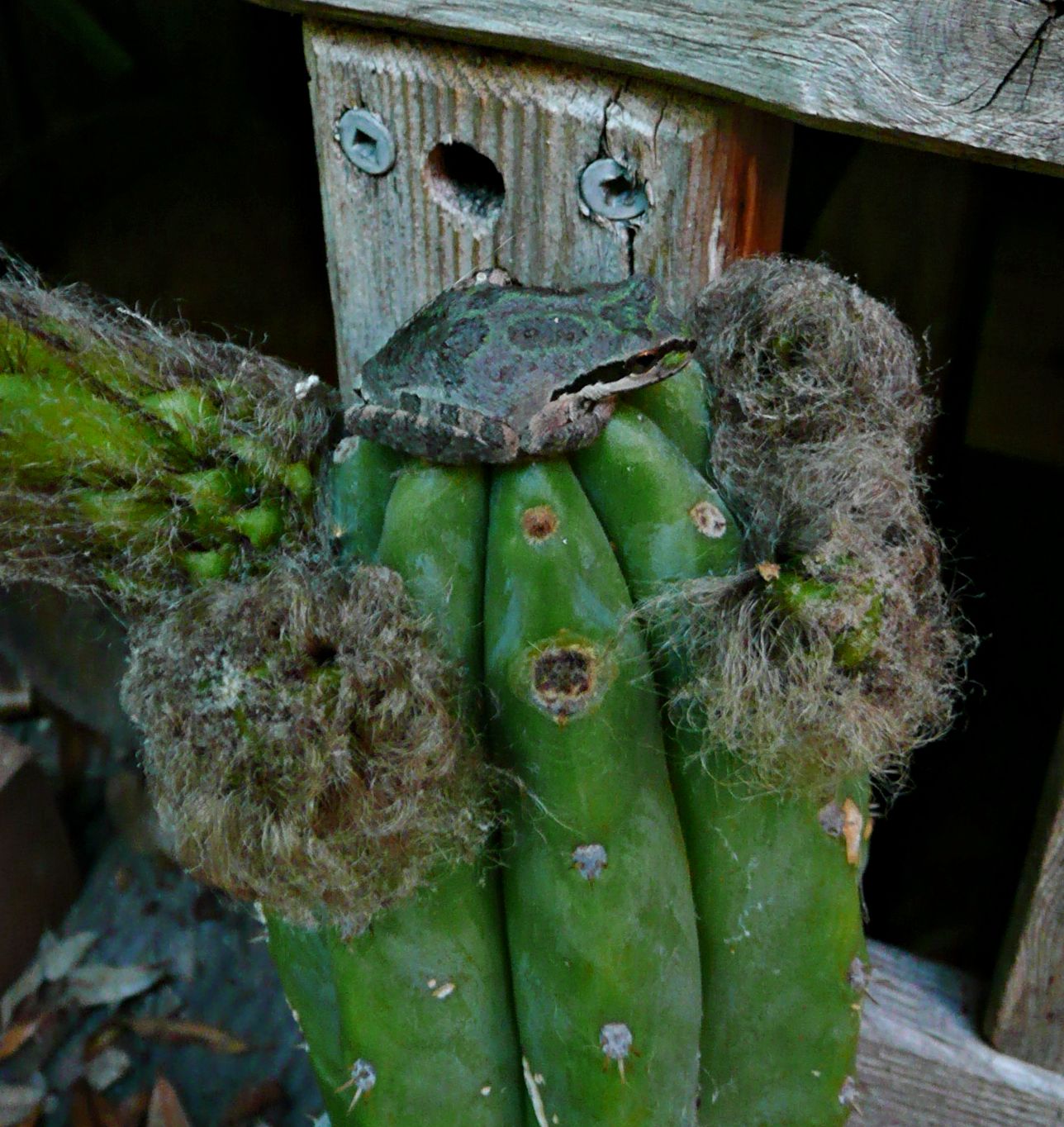
More images from around the nursery: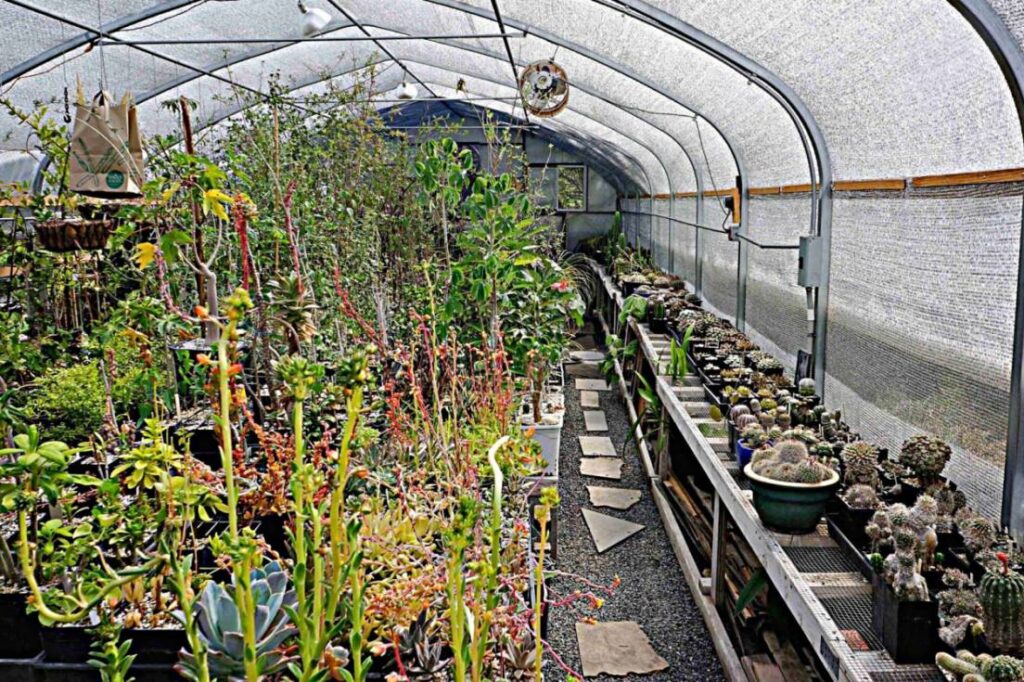
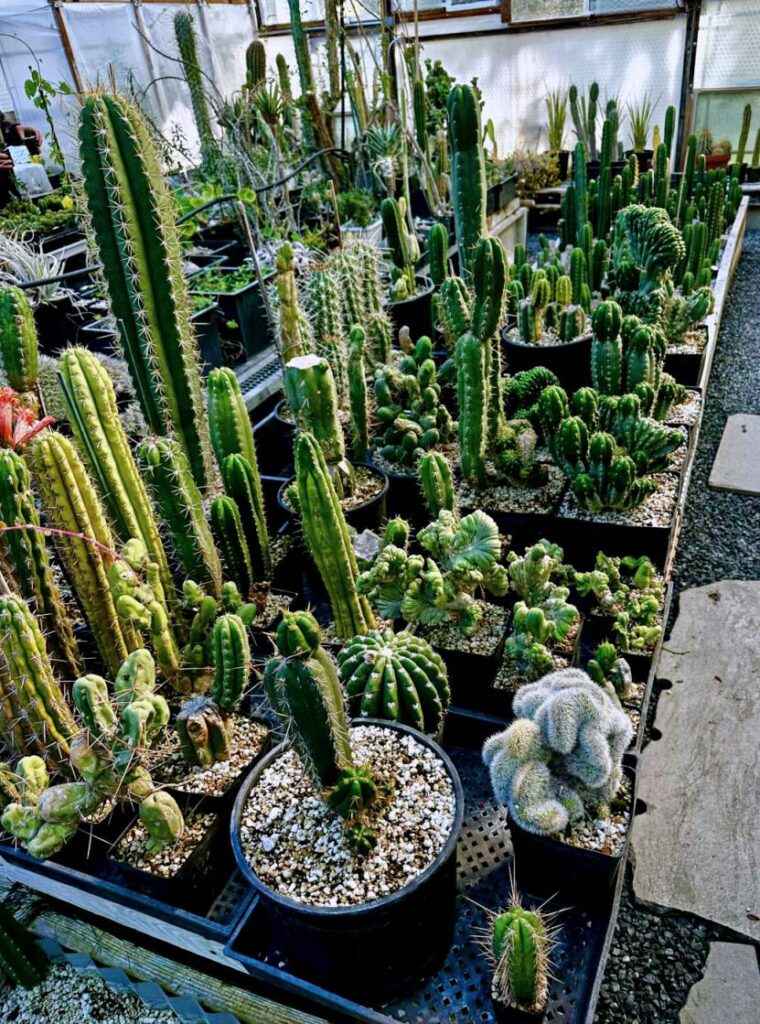
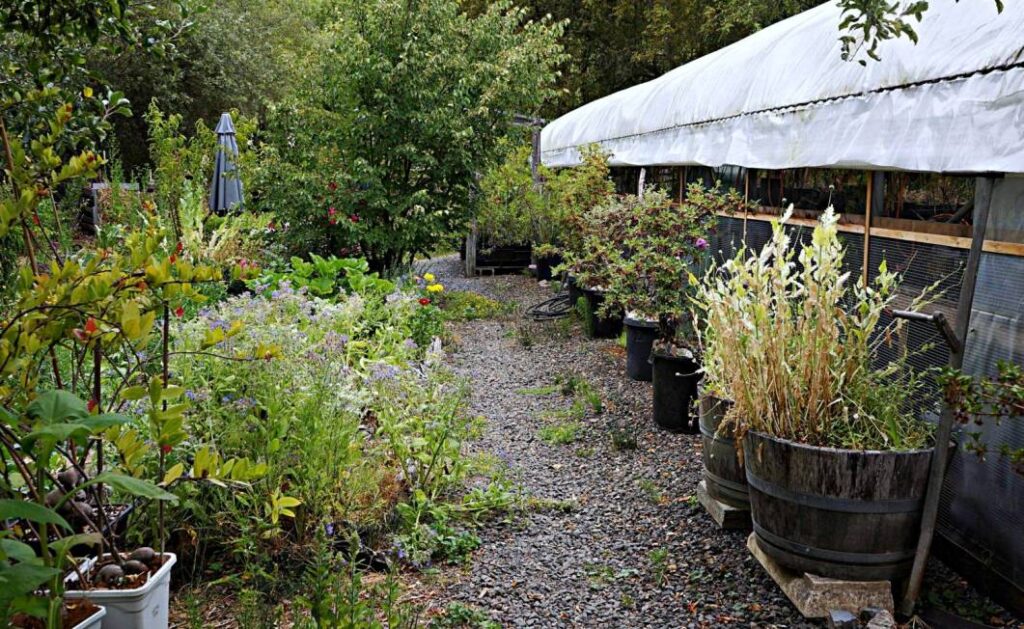
Conservation of Resilient Biodiversity
through Propagation, Dissemination and Education
Sacred Succulents is conservation oriented mail-order nursery & seedbank,
private research garden and biopreserve,
located in the hills of western Sonoma County, California.