Support your Independent Bookseller!
Books
( see the further down this page for limited and rare books)
( see the bottom of this page for shipping costs)
Email for a list of used titles and collectors editions not listed here!
Please note: Book sales have slowed to a trickle for most titles the last couple years, we have made the hard decision not to restock many titles when they are sold out because of this. We will leave our descriptions of these excellent books here for they are all worthwhile acquisitions. We are the US distributor of J. Ott titles and will have these available for the foreseeable future–wholesale inquiries are welcome.
Note: The listings on this page are no longer current, see towards the bottom of our homepage for available book titles.
___
Creating a Forest Garden: Working With Nature to Grow Edible Crops
by Martin Crawford
A good introduction to creating a food forest. Straightforward advice on designing, planting and maintaining a diverse polyculture of edible and medicinal plants, from small yard gardens to larger plots. Presents many novel approaches to edible horticulture that even the most seasoned organic gardener will find refreshing. Profiles many unusual edible/medicinal trees, shrubs and groundcovers and how to integrate them into a productive agroforestry system. An excellent companion to Dave Jacke’s mammoth Edible Forest Gardens, but much more accessible to those just starting a food forest. Though the main focus is temperate climates, the information is applicable to other regions as well.
Hardcover, color photos, 384 pages SOLD OUT
Edible Forest Gardens, Volume 1 & 2
by Dave Jacke and Eric Toensmeier
These monumental volumes are the definitive work on temperate climate permaculture gardening and land stewardship. Explains how we can participate in ecological revitalization while producing our own food and medicine through growing useful plants together in mutually beneficial groupings that are self maintaining. We have found this set to be an invaulable reference.
Volume 1 covers in detail the ecological and cultural context for forest gardening. It offers clear and concise directions for designing and maintaining such gardens.
Volume 2 builds on the ecology of the first volume to offer practical techniques for constructing functional gardens of any scale–from a small back yard to many acres of land. It also contains important information on the food, medicine, and functional value of hundreds of plants and how they can fit into a forest garden. Each volume stands on its own, and are highly complementary as a set. Very useful to those gardening outside temperate climates as well. SOLD OUT
ENDURING SEEDS: Native American Agriculture and Wild Plant Conservation
by Gary Paul Nabhan
Collection of richly written essays by this popular ethnobotanical activist. A must read regarding the loss of plant diversity and the essential role of indigenous agriculture in the Americas. Foreword by Wendell Berry. Book in new condition. sold out
FOOTPRINTS OF THE FOREST: KA’ APOR ETHNOBOTANY:
The Historical Ecology of Plant Utilization by an Amazonian People
by William Balee
A remarkable work! The most thorough and detailed account of the relations between an Amazonian people and plants that surround them and shape their culture. Based on 10 years of research among the Ka’apor of eastern Brazil. Documents the uses, names and ethnotaxonomy of hundreds of plants. Of peak interest to anyone interested in ethnobotany, indigenous agriculture, anthropology, and conservation of the Amazon and its people. sold out
Gaia’s Garden: A Guide to Homescale Permaculture
by Toby Hemenway foreword by John Todd
Expanded 2nd edition. One of the best organic horticulture book we’ve come across and an excellent introduction to permaculture concepts written by our late friend Toby Hemenway. Offers up a gardening system that combines features of wildlife habitat, edible/medicinal landscapes, and conventional flower/vegetable gardens into a self renewing low maintenance backyard ecosystem that balances the needs of humans and nature. Really everything you need to know to have an ecologically vibrant vegetable garden and yard. An excellent guide to incorporating many of the interesting and unusual edible and medicinal plants that we offer into your landscape. Sold out
Grafting Guide
by Ben Kamm
Grafting of a slower growing species onto a faster growing stock increases plant growth significantly. It is a viable means of quickly producing mature specimens for seed production and vegetative propagation. This illustrated guide covers all aspects of grafting, from week old seedlings to mature specimens. Includes tricks we have learned over the years that help make this valuable conservation technique accessible and practical. Focuses mainly on Cactaceae but coverage is given to Euphorbiaceae, Apocynaceae and other succulent families.
$9.00 (8 oz)
Green Inheritance: Saving the Plants of the World
by Anthony Huxley foreword by Sir David Attenborough
A beautiful book celebrating the diversity and importance of the botanical world. An introduction and overview of the plant kingdom and ethnobotany detailing our remarkable dependence on our green brethren for food, medicine, fuel, and even clean air. Discusses a broad spectrum of conservation issues. Lavishly illustrated with gorgeous paintings and photos throughout, this is an excellent book to deepen your appreciation and understanding of our green inheritance.
Softcover, color illustrations, 192 pages SOLD OUT
Herbal Emissaries: Bringing Chinese Herbs to the West
by Steven Foster & Yue Chongxi
This important collaborative work blends eastern and western traditional wisdom and scientific knowledge of 44 Chinese herbs including Astragalus, Codonopsis, Dan Shen, Eleuthero, Ginkgo, Ginseng, He Shou Wu, Lycii (Goji) berry, Jujube, Licorice, Schizandra, etc. The history, medicinal uses and dosage, distribution, cultivation, harvesting and processing of each herb is thoroughly covered. An fascinating and useful reference for herbalists, gardeners and conservationists. Sold out
Invasion Biology: Critique of a Pseudoscience by David Theodoropoulos
The author has worked in the field of conservation biology for over 30 years and with extensive research brings to light the controversial yet compelling deduction that the invasive species “crisis” lacks scientific merit. With a fascinating overview of evolutionary biology, invasion is shown to be a completely natural phenomenon, essential to evolution. Through personal field work and a highly thorough, non-biased examination of the work of invasion biologists, the author demonstrates how scientific facts do not support the widespread belief that invasive species are damaging ecosystems. What the data does show is that they often increase biodiversity, may prevent extinctions, and aid in restoring disturbed and polluted environments. With a wealth of evidence, the whole concept of invasives appears to be a major scientific blunder based on misperceived notions arising from our loss of intimacy with the natural world. Most importantly, the author points to how the natural dynamics behind invasion can be harnessed to aid species conservation. Even if you don’t agree with all the author’s analyses, the facts must be considered. Essential reading!! For more info see- www.dtheo.org
Sold out
The Medicinal Herb Grower: A Guide to Cultivating Plants that Heal
by Richo Cech illustrations by Sena Cech
Brand new book from master plantsman Richo Cech, sure to become a classic. Draws on the author’s 25+ years cultivating and living with an amazing diversity of medicinal plants. Pretty much everything you need to know about natural organic gardening techniques, from seed to harvest, for a great majority of healing herbs. This is hands down the best reference for medicinal plant cultivation there is. Full of personal anecdotes and life stories, not only useful, this book is a joy to read!
Sold out
Medicinal Plants of the World
by Ben-Erik van Wyk and Michael Wink
Comprehensive and easy to use reference guide to more than 320 of the most important medicinal plants and their close relatives. Each plant is documented through several striking color photographs along with description, geographical origin, therapeutic category, historical and modern uses, active constituents and pharmacological effects. This excellent book also contains overviews of the various healing cultures of the world, ailments and their treatments, the pharmacology of active compounds, and a quick guide to 900 of the most well known medicinal plants of the world. With over 800 color photos, this book is an instant classic! SOLD OUT
People & Plants in Ancient North America, 2 Vol.
edited by Paul E. Minnis
A fascinating work of prehistoric ethnobotany. A comprehensive overview of what is known of the interconnectedness of people and plants over the past 12+ millennia in North America. The major topics are the uses of native plants, the history of crops and their uses, and how humans influenced and altered their environment. These fascinating volumes not only contribute to our understanding of the lives of ancient Americans and their shaping of the environment but also provide essential lessons for how we might develop meaningful sustainable relations to the ecosystems of North America today and rekindle long forgotten relations with the flora that surrounds us. These volumes are required reading for anyone interested in the history of the region, ethnobotany, ecological conservation and restoration, permaculture, organic agriculture, and sustainable living. Excellent companion volumes to Tending the Wild, and Imperfect Balance.
SOLD OUT
Perennial Vegetables: A Gardener’s Guide to Over 100 Easy to Grow Edibles
by Eric Toensmeier
A useful illustrated guide to growing some of the fantastic but relatively unknown perennial food crops. From the common (asparagus, artichoke) to exotics such as air potatoes, chufa, camas, the “lost crops of the Incas” (oca, ulluco, yacon, mashua, achira, golden berry, etc.), ramps, Opuntia spp., Lycium, pepino, Toona, nettles, and much more! Details organic cultivation and permaculture integration, harvesting techniques and culinary recipes. In a time when self reliance is ever more vital, this book offers assistance in diversifying your garden for year round harvests while aiding the conservation of heirloom crops. Discusses many plants that we offer. Essential.
Softcover, color illustrations 241 pages SOLD OUT
Plants of the Four Winds: The Magic and Medicinal Flora of Peru
by Rainer W. Bussman and Douglas Sharon
A guide to 510 plants used in the medicine and shamanic practices of northern Peru. The herbalism of the region is a rich legacy that dates back at least 2000 years. Having survived 500 years of colonial persecution it now confronts the threat of losing many important medicines due to deforestation and mining in the Andes along with the erosion of cultural knowledge that faces many traditions in this age of global capitalism. This book is a major conservation effort for preserving botanical wisdom. Each plant has an entry with common and scientific names, detailed uses, administration and preparations along with a black and white photo of the dried or fresh plant as it is commonly found in the Peruvian herbal markets. One of the only books in English to thoroughly document plants used in Andean herbalism, serving as an important repository of unique plant knowledge. Though the focus is northern coastal and the adjacent highlands of Peru, many of these plants are utilized throughout the Andes. We have found this an invaluable reference for our own Andean studies. The entire text is bilingual English/Spanish. sold out
PLANTS USED BY AMAZON SHAMANS IN THE AYAHUASCA DRINK
by Luis Alberto Lopez Vinatea
This hard to find little book covers over 120 plants that are known to be used in the Ayahuasca potions of Peru. Lists the scientific name of each plant, plant family it belongs to, common and indigenous names, geographical distribution, chemical composition, herbariums where voucher specimens are deposited, and its reported effect as an additive to the brew. Introduction and a brief overview of the ayahuasca phenomenon in Spanish. A good hard to find reference source.
Softcover, 80 pages $12.50 (8 oz) Sale Price $9.50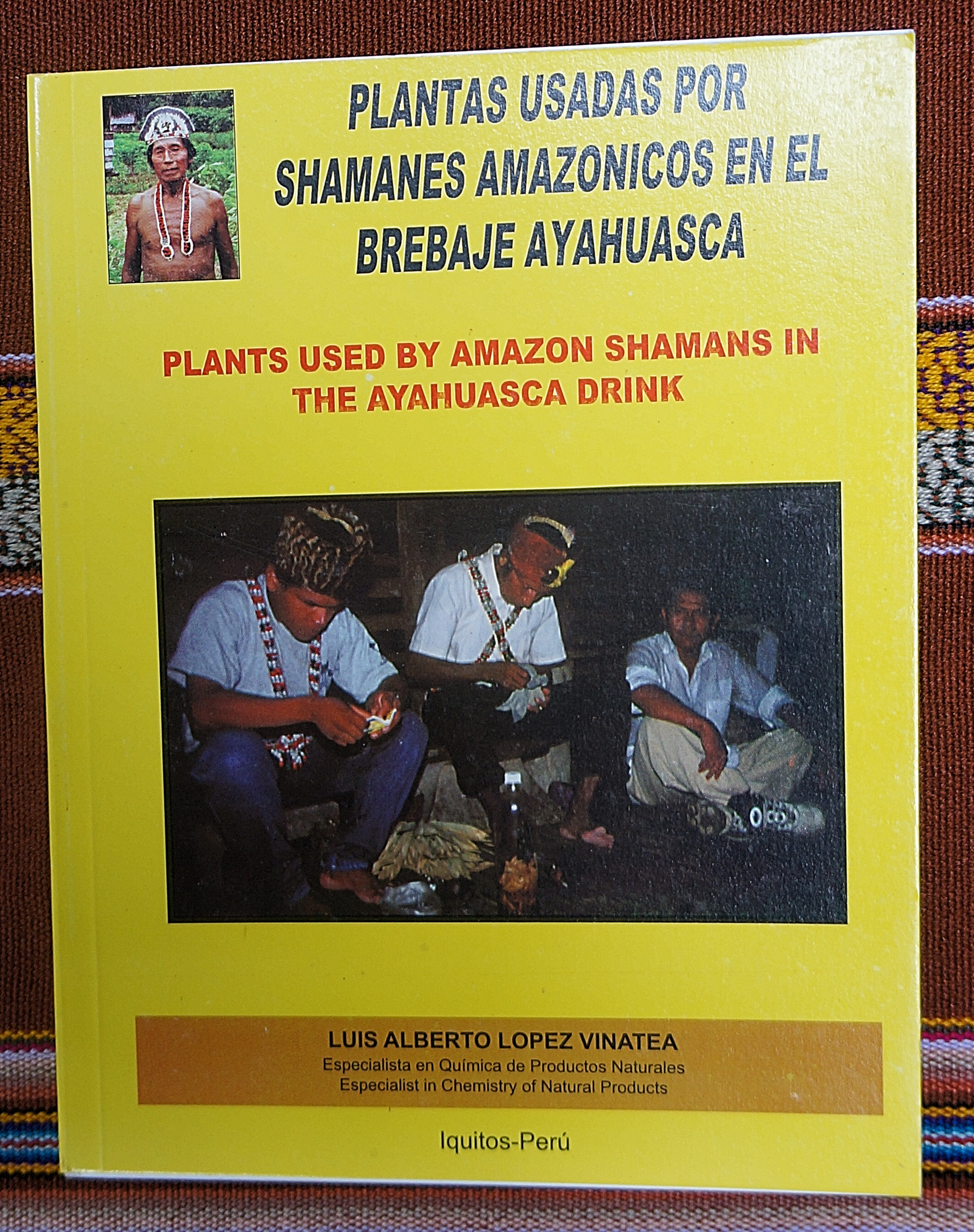
Principles and Practice in Plant Conservation
by David R. Given
An extensive treatment of the issues of plant conservation. Examines the causes of plant rarity and endangerment, and details the management of plant populations in natural habitats, in modified landscapes, and off-site. The importance of botanical gardens and amateur horticulturists to germplasm preservation is explored. Going beyond the biology of conservation, chapters are devoted to the ethical, educational, and economic aspects of plant conservation. An essential reference for those concerned with how best to preserve our botanical heritage, from conservationists to home gardeners. Sold out
The Remarkable Baobab
by Thomas Pakenham
Acclaimed historian and author of Remarkable Trees of the World, devotes an entire volume to one of the most impressive life forms on our planet, the fantastical Baobab tree. 8 years in the making, the author traveled the world in search of the most striking Baobabs, this book is a photographic and literary ode to these gargantuan trees. Covers the ecology, mythology, religious impact, value as food, medicine, and shelter. An informative and entertaining read, packed full of spectacular and bizarre color photographs. Sold out
SACRED AND HEALING HERBAL BEERS
by Stephen Harrod Buhner
Master herbalist Stephen Buhner has produced a beautiful and provocative exploration of the healing powers and folklore of ancient fermentations. This is the first fully comprehensive book ever written on the sacred and historical aspects of mead, honey and hive products, psychotropic beers, and beers and ales from medicinal plants. Includes 120 recipes for ancient and indigenous beers and meads from 31 countries and six continents. sold out
Tending the Wild:
Native American Knowledge and the Management of California’s Natural Resources
by M. Kat Anderson
The most significant and impacting book we’ve read in the last few years. A thorough and unparalleled account of the profound interrelationship Native Americans had with the California landscapes and how this influenced the evolution of plant and animal communities over millennia. Plenty of insight into how we might begin to use indigenous knowledge in our own conservation efforts, how we can rekindle the human-nature relationship through restoring and reinhabiting our neglected and damaged lands. The author presents a wealth of information on native land management practices gleaned from interviews with indigenous Californian elders and an extensive survey of historical records. The complex picture that emerges from this explodes the myth of Native Californians as “hunter-gatherers” or “foragers.” What early European explorers and settlers mistook as pristine untouched wilderness was in fact a vast intimately managed “garden.” This volume carefully illuminates the variety of ways early Californians purposefully tended their environment and how these practices gave rise to California’s unique habitats, increased biodiversity and sustained beneficial vegetation types. Through annual controlled burning, coppicing and harvesting, California’s once majestic woodlands, sweeping grasslands, dazzling wildflower meadows, and expansive wetlands were shaped and maintained. This provided an abundance of food and material goods for what was one of the most dense and diverse native populations in North America. The astounding loss of biological and cultural diversity, the extreme and drastic changes brought on by European colonization, the far ranging affect of the decline of California tribes and suppression of their land management practices is hard to fully grasp today, but the author does an excellent job presenting this history. She helps to reshape our understanding of native cultures and environments, not just in California, but around the world. We come to see indigenous people as active agents of environmental change and stewardship. This volume offers a view of human beings as full participants in the natural world, a much needed remedial middle ground to the modern polarity between the industrial overexploitation of nature and the preservationists’ hands off approach. Traditional ecological knowledge is vital to developing a meaningful sustainable life in our modern global age, this work offers much practical wisdom. It has radically altered the way we look and relate to the ecosystems around us. We consider this book required reading for anyone living in California and recommend it widely to everyone interested in deepening their relations with nature.
Softcover, black and white illustrations, 555 pages SOLD OUT
… BOOKS BY JONATHAN OTT …
Natural products chemist, ethnobotanist, scholar, conservationist, linguist and author, Jonathan Ott is one of the world’s foremost authorities on the botany, history, and chemistry of shamanic plants. Mentored by R. Gordon Wasson, Richard Evans Schultes, and Albert Hofmann. Jonathan currently manages a biological preserve in eastern Mexico. We are the US distributor for his books, wholesale inquiries are welcome.
THE AGE OF ENTHEOGENS & THE ANGELS DICTIONARY
A fantastic read, one of Ott’s most accessible books. “A radical re-examination of the history of our western civilization, exploring the brutal suppression of ecstatic, experiential, natural religions from The Age of Entheogens, by the 1600-year-old Pharmacratic Inquisition, leading up to the contemporary Entheogenic Reformation.” Followed by a dictionary-style lexicon of words pertaining to shamanism and entheobotany; made in response to R. Gordon Wasson’s call for “a vocabulary to describe all the modalities of a Divine Inebriant”.
“Could there ever be a more damning indictment of the spiritual bankruptcy of our vaunted western civilization… than the fact that it has transubstantiated the sacred fruit of the Tree of Life, the veritable well-spring of all culture… into scurvy contraband… made the truth a secret… the Logos a dirty word…?”
Softcover, 160 pages $25 (1 lb) / Hardcover $50 (1 lb)
PHARMACOTHEON: Entheogenic Drugs, Their Plant Sources & History
If you get only one book on the topic of entheogenic plants and compounds, this is it, the most complete reference book, a dense 640 pages covering over 1,000 species with the largest bibliography on the subject ever compiled. Everything you ever wanted to know, and much more. Accurate, definitive, and surprisingly entertaining. Foreword by Albert Hofmann.
Softcover, 640 pages (2nd edition) $50 (3 lbs) / Hardcover (1st edition) — inquire (3 lbs)
PHARMACOPHILIA or The Natural Paradises
An irresistible, even poetic book addressing the spirituality, law, pleasure and science of psychoactives. A must read.
Softcover, 192 pages $25 (1 lb) / Hardcover $50 (1 lb)
LIMITED BOOKS
Only 1 available of each of the following
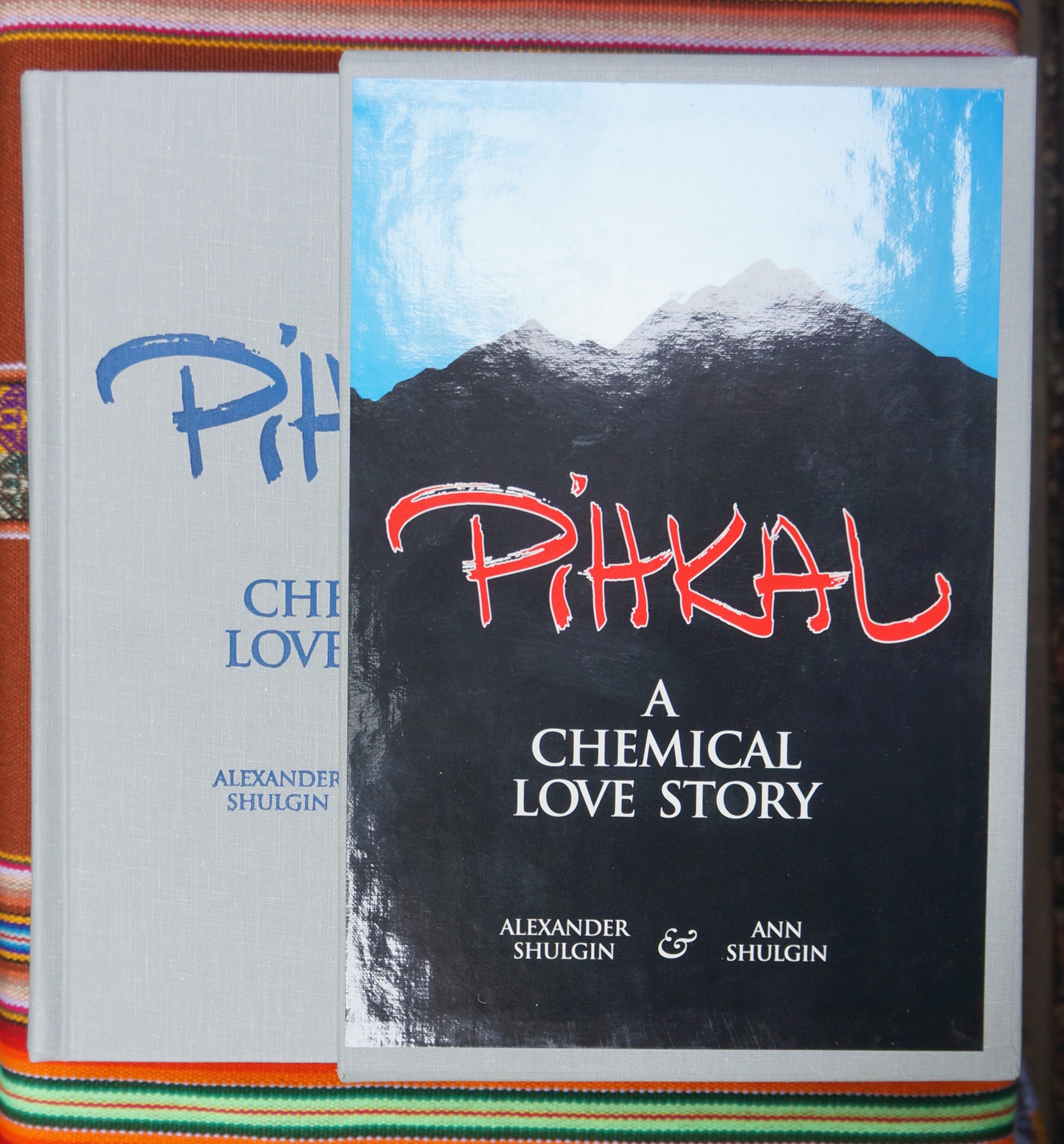
PIHKAL: Phenethylamines I Have Known and Loved
by Alexander & Ann Shulgin
We have just a few copies of the deluxe hardcover slipcased edition of this monumental work by the late Dr. Shulgin and his wife. Originally printed as only 300 signed copies, these are unsigned copies of which only a handful exist.
Hardcover slipcased edition — inquire(3 lbs)
Shipping for Books
To determine shipping costs, add up the number of lbs in parentheses ( ) that is listed after the price.
Priority Mail- add $10 for the first lb, $2.25 for each additional lb.
When ordered with plants just add $2.25 for each lb
Books only sent Media Mail – add $5 for the first lb, $0.75 for each additional lb
Please email us for international shipping costs; sacredsucculents@hushmail.com
Botanical Products
MUNA ESSENTIAL OIL Minthostachys andina or setosa
One of the signature scents of the Andes comes from this mint relative. This lovely plant is sometimes used as a flavoring in soups and is a popular digestive aid, nervine, cold remedy and antiparasitical. Also reported as an aphrodisiac. The essential oil is best used externally and is said to help with altitude, skin fungus, sore muscles, repel insects and to “cleanse negativity”. Steam distilled in small batches by a friend in Peru.
1/8 oz bottle $10 (1 oz for shipping)
$30/ 1/2 oz bottle (4 oz for shipping)
$50/ 1 oz (6 oz for shipping)
$78/ 2 oz (1 lb for shipping)
SANGRE DE DRAGO Croton lechleri “The Liquid Bandage”
Medicinal jungle tree sap from South America, famed as a healing cure all and emerging as one of the most versatile and important rain forest medicines. Recent research has revealed Sangre de Drago to be high in antioxidant proanthocyanidens (pycnogenol) and a host of alkaloids with antitumor properties. It is traditionally used internally for ulcers, cirrhosis, cancer, hemorrhage, to treat diarrhea, as a blood cleanser and as a general tonic. 5–10 drops diluted in water or juice is drunk once a day. Its usefulness as an external remedy is unsurpassed. We wouldn’t be without it in the jungle, in the garden or the kitchen as a first aid remedy for wounds. A drop is applied directly or rubbed into a froth that will seal the skin, drying into a antiseptic “liquid bandage” for speedy wound healing. Perfect for areas like fingers where cuts seem to keep opening and no bandage will seem to stay put. Antimicrobial, antibacterial, antiviral, antifungal, a topical painkiller and antiinflammatory. Excellent for insect bites, rashes, acne, all forms of skin disease and hemorrhoids. The phenanthrene alkaloid taspine and the lignan dimethylcedrusine is thought partially responsible for Sangre de Drago’s amazing ability to accelerate wound healing 10–20 times! A few drops in water is also used as a mouthwash which is claimed to be very beneficial to the teeth and gums (the natives who told us this had impeccable teeth). We find it an effective safeguard against digestive disturbances and other maladies when traveling. Modern studies have confirmed nearly all traditional applications and shown Sangre de Drago to have benefits for colds and flus, hepatitis A and B and HIV. Pure undiluted latex carefully wildcrafted in Peru. Very limited stock available! sold out
Frankincense
Dried tears of sap from the bizarre Boswellia carteri (Burseraceae) trees of Somalia. An ancient incense widely revered since the dawn of civilization, often in combination with myrrh. At one time worth more than its weight in gold! It has a powerfully rich fragrance that produces a calm meditative state, heightening mental perception. It has very strong anti-inflammatory, antiseptic, antibacterial and antifungal properties.
inquire
Myrrh
Dried pieces of sap from Commiphora molmol (Burseraceae) trees of northeast Africa. Utilized for thousands of years as a precious medicine, sacred incense, perfume and ointment. A powerful antifungal, antibacterial and broad spectrum antiseptic for treating wounds. Powdered or dissolved in alcohol it can be made into a mouth wash. Taken internally as an expectorant, it can help treat colds, boost the immune system, aid digestion, and may even reduce cholesterol. Produces a heavenly aroma when burned, said to revitalize the spirit.
inquire
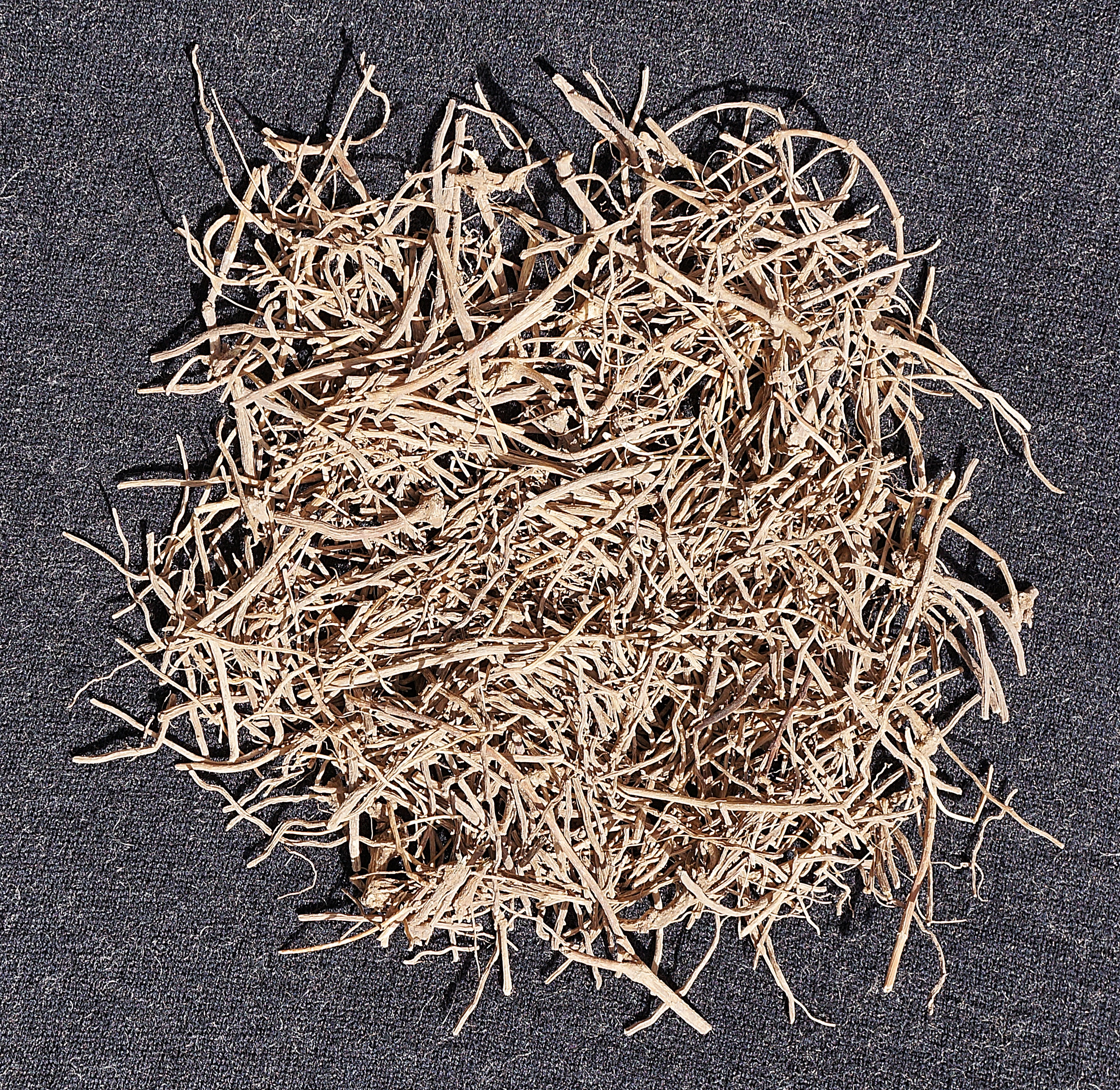
GOLD ROOT Heliopsis longipes
Composite endemic to the mountains of central Mexico up to 8,000’. The fleshy lateral roots produce a very intense tingling sensation in the lips and mouth when chewed, much stronger than Echinacea or Spilanthes which have similar properties. Traditionally used for toothache (very effective!) and oral health. Rich in alkamides with impressive analgesic, antiinflammatory, antibacterial, antifungal, insecticidal and immune boosting effects. Demand for its insecticidal activity nearly lead to its extinction during World War 2. The pleasant tingling effect from the chewed root can be transferred to other areas of the body and has been used as topical anesthetic and for interesting erotic purposes. Normally only available in very tiny amounts, here is your chance to stock up!
Packet of dried roots $5 (count as a seed packet for shipping) / 5 packets of dried root $20
1 oz Wildcrafted Mexican Gold Root -$48
Natural Products Shipping & Handling
Up to 8 ounces $5
9 ounces to 1 pound $10
$2.25 each additional pound
$2.25 per pound when ordered with plants under 8 ounces with plants = free shipping
Inquire for international orders
We are not currently taking payment for our excessively lengthy & highly informative catalog. We are in the slow laborious process of updating it and do not currently have a functional hardcopy to mail. Our apologies to those who have sent payment in the past few months–we will eventually get you a copy! For the time being you can email me at benkamm@monitor.net and request PDFs of the various catalog sections (specify your interest: Cactaceae, Trichocereus, Other Succulents & Xerophytes, Andean Accessions, Other Medicinals & Edibles (includes CA Natives), or ALL )
Rare Plant & Seed List subscription: 4 issues $5 ($10 outside USA)
Sacred Succulents, PO Box 781, Sebastopol, CA 95473 USA
Email: sacredsucculents@hushmail.com
To receive our periodic (every 4-6 weeks) emails listing new plants & seeds, specials, news from our gardens, greenhouses & travels sign up at –
http://lists.sonic.net/